Sweetened Coconut Flakes
What is Sweetened Coconut Flakes?
Sweetened coconut flakes are made from the dried, shredded, or flaked meat of the coconut, which is then coated with sugar. This process enhances the coconut's natural sweetness and provides a chewy texture.
Is Sweetened Coconut Flakes vegan?
Sweetened Coconut Flakes is not animal-derived. Products that contain it can still include other animal-derived ingredients, so check the full ingredient list.
Is Sweetened Coconut Flakes a major allergen?
Coconut is botanically a fruit, but the FDA identifies it as a tree nut for food labeling purposes.
What is Sweetened Coconut Flakes used for?
Manufacturers add sweetened coconut flakes to food products primarily for their distinct flavor, sweet taste, and chewy texture.
Is Sweetened Coconut Flakes safe?
Sweetened coconut flakes are a food ingredient, not a food additive, and are generally recognized as safe (GRAS) when consumed as part of a typical diet.
Why it's used
Manufacturers add sweetened coconut flakes to food products primarily for their distinct flavor, sweet taste, and chewy texture. They are commonly found in baked goods like cakes, cookies, and granola, as well as in snack mixes and cereals.
Health notes
Sweetened coconut flakes are a food ingredient, not a food additive, and are generally recognized as safe (GRAS) when consumed as part of a typical diet. They contribute to the 'added sugars' content of a food product. The 2025-2030 Dietary Guidelines for Americans recommend no specific amount of added sugars, advising to limit intake and choose foods and beverages with little to no added sugars. JECFA and EFSA evaluate individual components like sugar, but not the combined ingredient of sweetened coconut flakes.
Allergen info
Coconut is botanically a fruit, but the FDA identifies it as a tree nut for food labeling purposes. Therefore, products containing coconut must declare it as a tree nut allergen.
Foods that contain Sweetened Coconut Flakes
Compare products →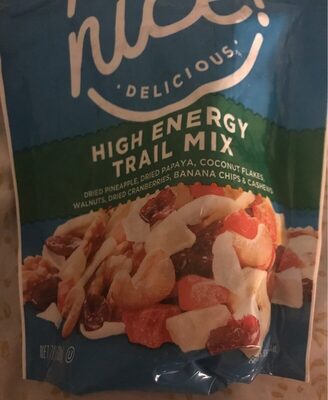
Auto-generated content. This description was generated automatically and is pending editorial review. Inaccuracies are possible. Found a mistake? Contact us.