Sweetener: Sucralose
Auto-generated content. This description was generated automatically and is pending editorial review. Inaccuracies are possible. Found a mistake? Contact us.
What it is
Sucralose is an artificial sweetener made from sugar. It is about 600 times sweeter than sugar and is not broken down by the body, so it provides no calories. It is made through a process that selectively replaces three hydrogen-oxygen groups on the sugar molecule with chlorine atoms.
Why it's used
Manufacturers use sucralose as a sugar substitute in a wide variety of "sugar-free" or "reduced-calorie" products. Its stability under heat and in acidic conditions makes it suitable for baking and beverages. It is commonly found in diet sodas, baked goods, dairy products, chewing gum, and tabletop sweeteners.
Health notes
Sucralose is approved as a food additive by the U.S. Food and Drug Administration (FDA) and is generally recognized as safe (GRAS). International bodies like the Joint FAO/WHO Expert Committee on Food Additives (JECFA) and the European Food Safety Authority (EFSA) have also evaluated sucralose and found it safe for consumption within acceptable limits. Some studies have raised questions about its potential effects on gut health and metabolism at very high doses, but regulatory bodies have concluded it is safe at typical consumption levels. Evidence is mixed regarding its potential to form harmful compounds when heated to high temperatures.
Allergen info
Sucralose is not derived from any of the nine FDA major allergens. It does not contain gluten.
Products containing Sweetener: Sucralose
Compare products →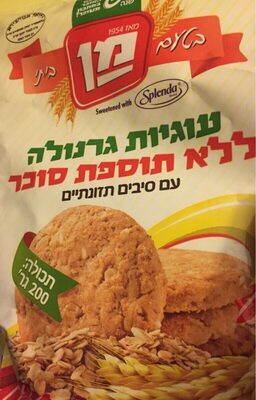 Rokachman L.T.D.
Home Style Sugar Free Granola Cookies
467kcal
10Protein
23.3Fat
56.7Carbs
Rokachman L.T.D.
Home Style Sugar Free Granola Cookies
467kcal
10Protein
23.3Fat
56.7Carbs
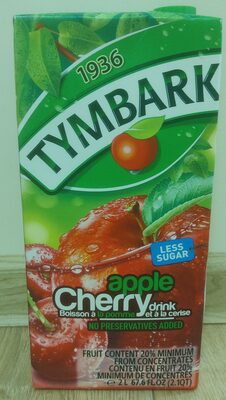 Apple Cherry Drink, Apple; Cherry
19kcal
0Protein
0Fat
4.6Carbs
Bloom Packaging Corp.
Strawberry-Yogurt Flavored Sugarfree Candies, Strawberry-Yogurt
250kcal
0Protein
3.3Fat
96.7Carbs
Bloom Packaging Corp.
Mint Flavored Sugarfree Candies, Mint
233kcal
0Protein
0Fat
100Carbs
Apple Cherry Drink, Apple; Cherry
19kcal
0Protein
0Fat
4.6Carbs
Bloom Packaging Corp.
Strawberry-Yogurt Flavored Sugarfree Candies, Strawberry-Yogurt
250kcal
0Protein
3.3Fat
96.7Carbs
Bloom Packaging Corp.
Mint Flavored Sugarfree Candies, Mint
233kcal
0Protein
0Fat
100Carbs