Tamarind Gum
What is Tamarind Gum?
Tamarind gum is a polysaccharide extracted from the seeds of the tamarind tree (Tamarindus indica). The seeds are typically dehulled, and the inner kernel is processed to isolate the gum, which is then dried and ground into a powder.
Is Tamarind Gum vegan?
Tamarind Gum is not animal-derived. Products that contain it can still include other animal-derived ingredients, so check the full ingredient list.
Is Tamarind Gum gluten-free?
It does not contain gluten.
Is Tamarind Gum a major allergen?
Tamarind gum is not derived from any of the 9 FDA major allergens.
What is Tamarind Gum used for?
Tamarind gum is used as a thickening and stabilizing agent in foods.
Is Tamarind Gum safe?
Tamarind gum is generally recognized as safe (GRAS) by the FDA for use in food.
Why it's used
Tamarind gum is used as a thickening and stabilizing agent in foods. It helps improve texture and mouthfeel, and can prevent ingredients from separating. It is often found in salad dressings, sauces, jams, jellies, and dairy products.
Health notes
Tamarind gum is generally recognized as safe (GRAS) by the FDA for use in food. It is a source of dietary fiber. International bodies like JECFA have evaluated tamarind gum and found it to be safe for consumption. No significant health concerns are associated with its typical use in food.
Allergen info
Tamarind gum is not derived from any of the 9 FDA major allergens. It does not contain gluten.
Foods that contain Tamarind Gum
Compare products →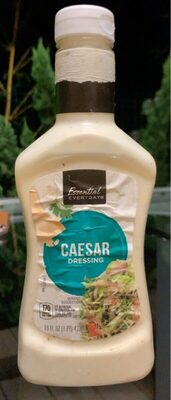




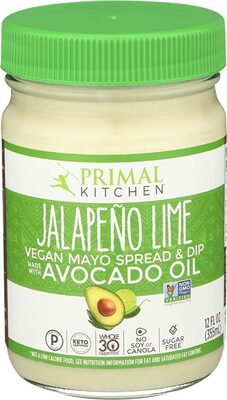
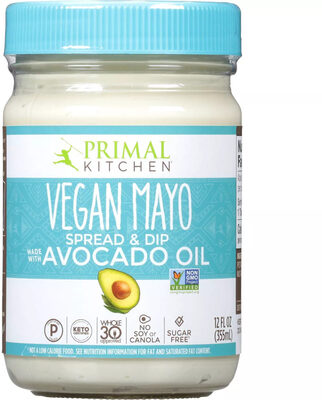

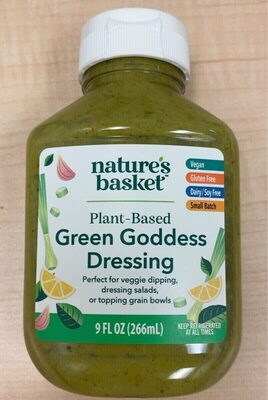





Learn more
Auto-generated content. This description was generated automatically and is pending editorial review. Inaccuracies are possible. Found a mistake? Contact us.