Tarragon
What is Tarragon?
Tarragon is a perennial herb native to Eurasia. It is a member of the sunflower family and is cultivated for its aromatic leaves, which have a distinct anise-like flavor. The leaves are typically used fresh or dried in cooking.
Is Tarragon vegan?
Tarragon is not animal-derived. Products that contain it can still include other animal-derived ingredients, so check the full ingredient list.
Is Tarragon gluten-free?
Tarragon is not one of the nine FDA major allergens and does not contain gluten.
What is Tarragon used for?
Tarragon is primarily used as a flavoring agent in a variety of dishes.
Is Tarragon safe?
Tarragon is generally recognized as safe (GRAS) by the FDA when used as a flavoring.
Why it's used
Tarragon is primarily used as a flavoring agent in a variety of dishes. It is a key ingredient in classic French sauces like Béarnaise and is also used to flavor vinegars, mustards, and pickles. Its unique taste makes it a popular addition to poultry, fish, and egg dishes.
Health notes
Tarragon is generally recognized as safe (GRAS) by the FDA when used as a flavoring. It is not typically consumed in amounts large enough to cause adverse health effects. International bodies like JECFA have evaluated flavorings, but specific evaluations for tarragon are not widely publicized. Some traditional medicine uses exist, but scientific evidence for these is limited.
Allergen info
Tarragon is not one of the nine FDA major allergens and does not contain gluten.
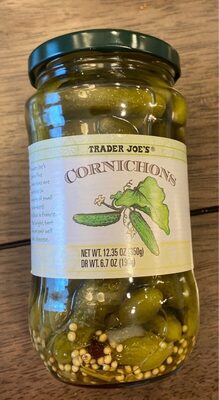
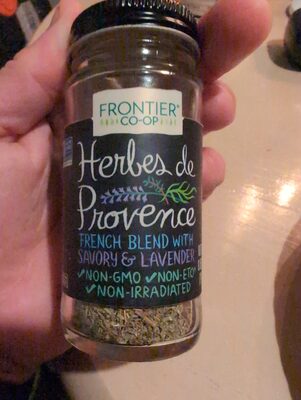
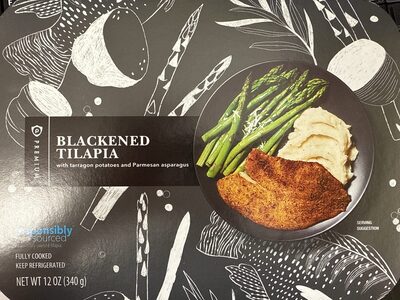
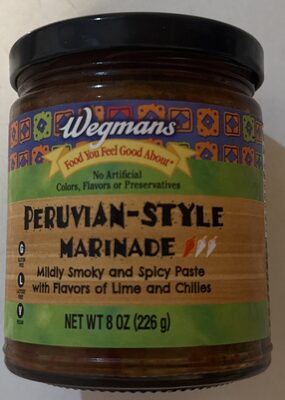
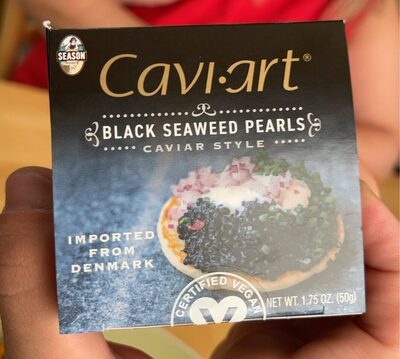
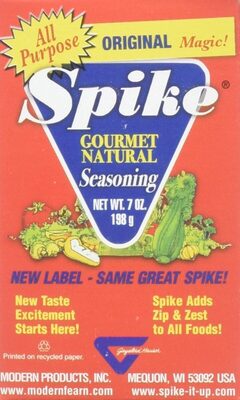
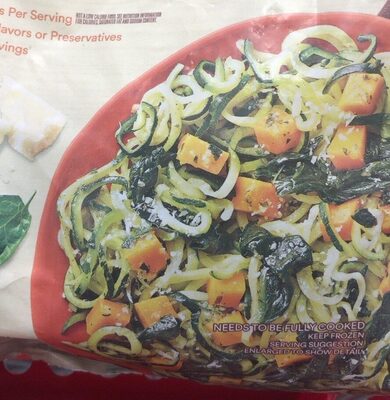
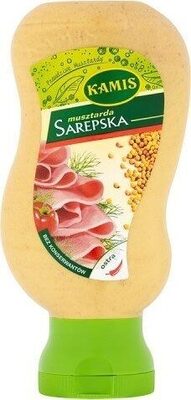
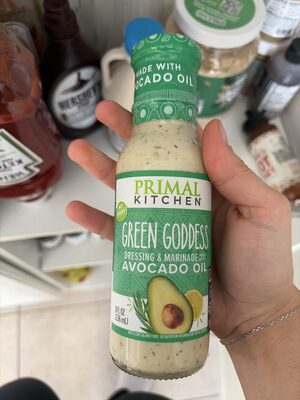
Foods that contain Tarragon
Compare products →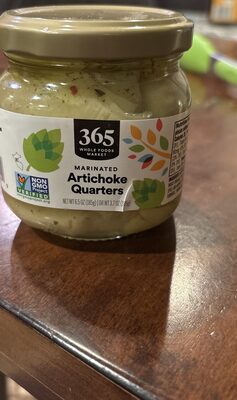
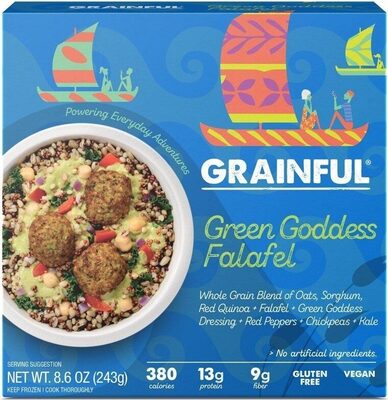
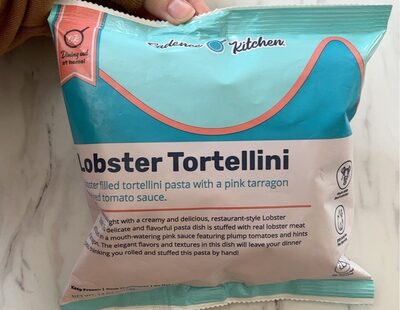
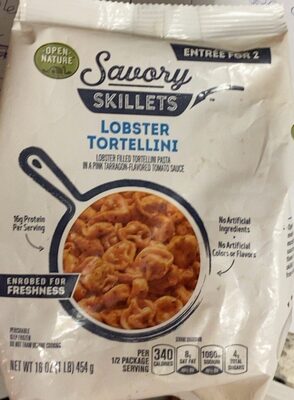

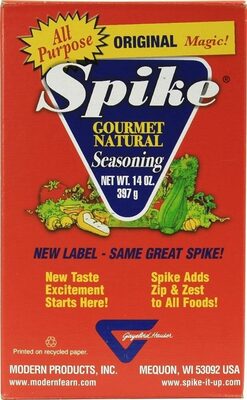
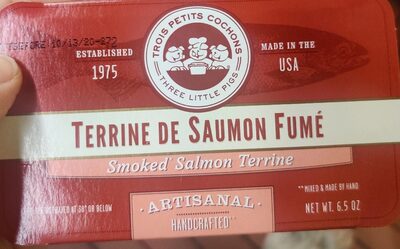
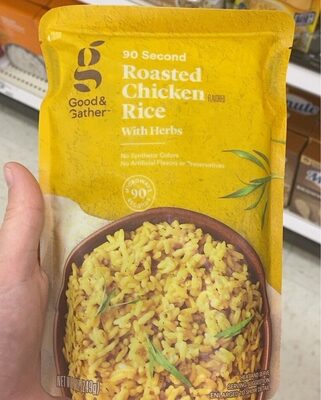
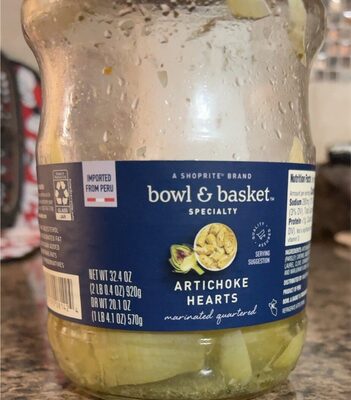
Learn more
Auto-generated content. This description was generated automatically and is pending editorial review. Inaccuracies are possible. Found a mistake? Contact us.