Thai Jasmine Rice
Auto-generated content. This description was generated automatically and is pending editorial review. Inaccuracies are possible. Found a mistake? Contact us.
What it is
Thai Jasmine rice is a long-grain variety of rice grown primarily in Southeast Asia, especially Thailand. It is known for its distinct floral aroma, often compared to jasmine flowers, and its slightly sticky texture when cooked. The rice is typically milled to remove its outer husk, bran, and germ, making it a refined grain.
Why it's used
Jasmine rice is commonly used as a staple grain in Asian cuisine, providing a base for a wide variety of dishes. Manufacturers use it in packaged foods like rice mixes, side dishes, and entrees for its appealing aroma, texture, and flavor. It serves as a carbohydrate source and contributes to the overall sensory experience of the food product.
Health notes
Jasmine rice is a food ingredient and is generally recognized as safe (GRAS) by the FDA for its intended use in food. As a carbohydrate-rich food, it provides energy. Like other refined grains, it is lower in fiber and some micronutrients compared to whole grains. International bodies like JECFA have evaluated rice and its components, but specific evaluations for 'Thai Jasmine Rice' as a distinct ingredient with health implications are not typically singled out. Evidence does not suggest adverse health effects at typical consumption levels.
Allergen info
Rice is not one of the nine major allergens recognized by the FDA. It does not contain gluten.
Products containing Thai Jasmine Rice
Compare products →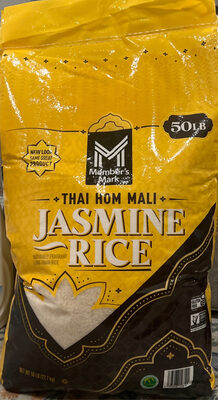 Sam's Club West
Long Grain Fragrant Thai Jasmine Rice
360kcal
8Protein
2Fat
78Carbs
CKK Paradiso, Inc.
Jasmine Rice
356kcal
6.7Protein
0Fat
80Carbs
Sam's Club West
Long Grain Fragrant Thai Jasmine Rice
360kcal
8Protein
2Fat
78Carbs
CKK Paradiso, Inc.
Jasmine Rice
356kcal
6.7Protein
0Fat
80Carbs
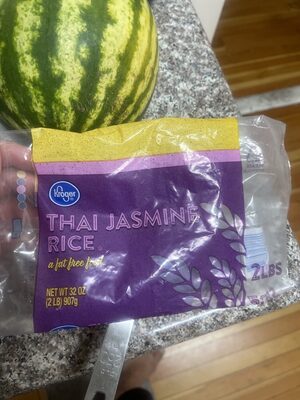 The Kroger Co.
Thai Jasmine Rice, Thai Jasmine
333kcal
6.7Protein
0Fat
77.8Carbs
The Kroger Co.
Thai Jasmine Rice, Thai Jasmine
333kcal
6.7Protein
0Fat
77.8Carbs
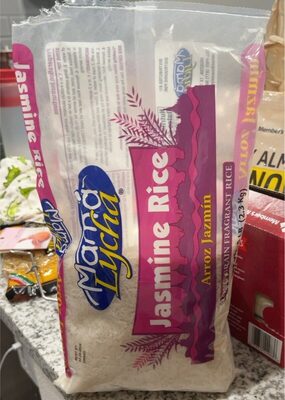 Gotera, Inc.
Long Grain Fragrant Jasmine Rice
360kcal
8Protein
0Fat
78Carbs
OceanGrafix LLC
Natural Thai Jasmine Rice
356kcal
8.9Protein
1.3Fat
77.8Carbs
Gotera, Inc.
Long Grain Fragrant Jasmine Rice
360kcal
8Protein
0Fat
78Carbs
OceanGrafix LLC
Natural Thai Jasmine Rice
356kcal
8.9Protein
1.3Fat
77.8Carbs
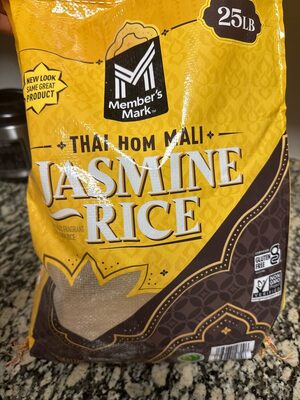 Sam's Club West
Thai Hom Mali Jasmine Rice
360kcal
8Protein
2Fat
78Carbs
Sam's Club West
Thai Hom Mali Jasmine Rice
360kcal
8Protein
2Fat
78Carbs
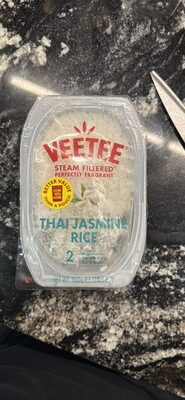 Roadhouse Grill Inc.
Thai Jasmine Rice
147kcal
2.7Protein
1.3Fat
30Carbs
Roadhouse Grill Inc.
Thai Jasmine Rice
147kcal
2.7Protein
1.3Fat
30Carbs