The Following: Gum Arabic
Auto-generated content. This description was generated automatically and is pending editorial review. Inaccuracies are possible. Found a mistake? Contact us.
What it is
Gum arabic, also known as acacia gum, is a natural gum made from the hardened sap of the acacia tree. It is harvested from several species of acacia trees, primarily Acacia senegal and Acacia seyal, found in the Sahel region of Africa. The sap is collected, dried, and then processed into a powder or flakes.
Why it's used
Manufacturers use gum arabic as a stabilizer, emulsifier, and thickener in a variety of food products. It helps to prevent ingredients from separating and improves the texture of foods. It is commonly found in candies, baked goods, soft drinks, and as a coating for confections.
Health notes
Gum arabic is generally recognized as safe (GRAS) by the U.S. Food and Drug Administration (FDA) for use in food. It is a soluble fiber that may have some digestive benefits. International bodies like the Joint FAO/WHO Expert Committee on Food Additives (JECFA) and the European Food Safety Authority (EFSA) have evaluated gum arabic, and it is permitted for use in many countries. Evidence suggests it is safe at typical consumption levels.
Allergen info
Gum arabic is not derived from any of the nine FDA major allergens. It does not contain gluten.
Products containing The Following: Gum Arabic
Compare products →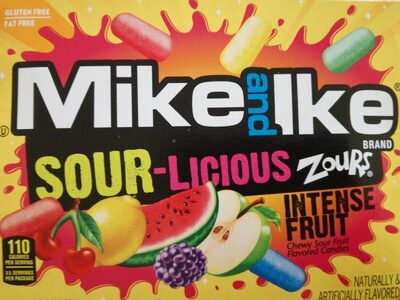 Just Born, Inc.
Zours Walter Malon, Malter Malon Zapple
350kcal
0Protein
0Fat
85Carbs
Just Born, Inc.
Chewy Sour Fruit Candies, Sour Fruitz
350kcal
0Protein
0Fat
85Carbs
Just Born, Inc.
Mike And Ike, Zours Chewy Sour Candies, Fruit, Fruit
364kcal
0Protein
0Fat
86.4Carbs
Just Born, Inc.
Zombie Intense Fruit Flavored Candies, Sour Weird Watermelon, Sour Leery Lemon, Sour Rip Blue Raspberry, Sour Creepy Cherry, Sour Ghoulish Green Apple
High in added sugars — 34% DV per serving
333kcal
0Protein
0Fat
86.7Carbs
Tylina Food Products Corporation
White Fondant
High in saturated fat — 23% DV per serving
High in added sugars — 54% DV per serving
436kcal
0Protein
12.8Fat
79.5Carbs
Tylina Food Products Corporation
Gray Fondant
High in saturated fat — 23% DV per serving
High in added sugars — 54% DV per serving
436kcal
0Protein
12.8Fat
79.5Carbs
Tylina Food Products Corporation
Light Purple Fondant
High in saturated fat — 23% DV per serving
High in added sugars — 54% DV per serving
436kcal
0Protein
12.8Fat
79.5Carbs
Tylina Food Products Corporation
Mermaid Fondant Decorating Kit
High in saturated fat — 23% DV per serving
High in added sugars — 54% DV per serving
436kcal
0Protein
12.8Fat
79.5Carbs
Just Born, Inc.
Zours Walter Malon, Malter Malon Zapple
350kcal
0Protein
0Fat
85Carbs
Just Born, Inc.
Chewy Sour Fruit Candies, Sour Fruitz
350kcal
0Protein
0Fat
85Carbs
Just Born, Inc.
Mike And Ike, Zours Chewy Sour Candies, Fruit, Fruit
364kcal
0Protein
0Fat
86.4Carbs
Just Born, Inc.
Zombie Intense Fruit Flavored Candies, Sour Weird Watermelon, Sour Leery Lemon, Sour Rip Blue Raspberry, Sour Creepy Cherry, Sour Ghoulish Green Apple
High in added sugars — 34% DV per serving
333kcal
0Protein
0Fat
86.7Carbs
Tylina Food Products Corporation
White Fondant
High in saturated fat — 23% DV per serving
High in added sugars — 54% DV per serving
436kcal
0Protein
12.8Fat
79.5Carbs
Tylina Food Products Corporation
Gray Fondant
High in saturated fat — 23% DV per serving
High in added sugars — 54% DV per serving
436kcal
0Protein
12.8Fat
79.5Carbs
Tylina Food Products Corporation
Light Purple Fondant
High in saturated fat — 23% DV per serving
High in added sugars — 54% DV per serving
436kcal
0Protein
12.8Fat
79.5Carbs
Tylina Food Products Corporation
Mermaid Fondant Decorating Kit
High in saturated fat — 23% DV per serving
High in added sugars — 54% DV per serving
436kcal
0Protein
12.8Fat
79.5Carbs