Thlamine Mononitrate
Auto-generated content. This description was generated automatically and is pending editorial review. Inaccuracies are possible. Found a mistake? Contact us.
What it is
Thiamine mononitrate is a synthetic form of thiamine, also known as vitamin B1. Thiamine is an essential nutrient that plays a key role in energy metabolism. It is manufactured through chemical synthesis.
Why it's used
Manufacturers add thiamine mononitrate to foods as a nutrient supplement, often to fortify products like cereals, bread, and pasta. It helps restore nutrients lost during processing and ensures consumers get adequate vitamin B1 intake from their diet.
Health notes
In the U.S., thiamine mononitrate is generally recognized as safe (GRAS) by the FDA when used as a nutrient. Thiamine is vital for nerve function and energy production. International bodies like JECFA have evaluated thiamine and established acceptable daily intake levels, though specific values are not provided here. There is no widespread controversy regarding its use at typical dietary levels.
Allergen info
Not a major allergen. Thiamine mononitrate is not derived from any of the nine FDA major allergens and does not contain gluten.
Products containing Thlamine Mononitrate
Compare products →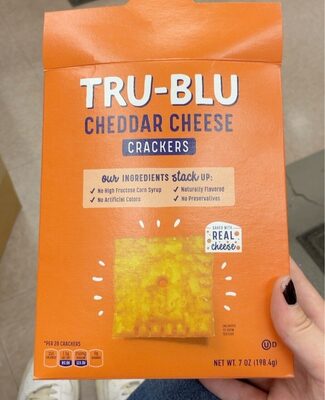 AbiMar Foods, Inc.
Cheddar Cheese Crackers, Cheddar Cheese
500kcal
6.7Protein
30Fat
46.7Carbs
AbiMar Foods, Inc.
Cheddar Cheese Crackers, Cheddar Cheese
500kcal
6.7Protein
30Fat
46.7Carbs
 AbiMar Foods, Inc.
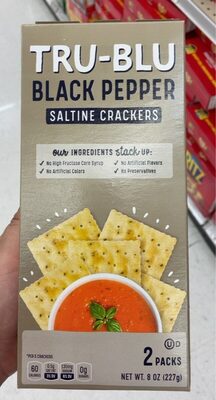
Black Pepper Saltine Crackers, Black Pepper
375kcal
6.2Protein
9.4Fat
68.8Carbs
AbiMar Foods, Inc.
Black Pepper Saltine Crackers, Black Pepper
375kcal
6.2Protein
9.4Fat
68.8Carbs
 AbiMar Foods, Inc.
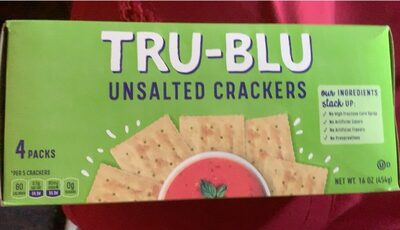
Unsalted Crackers, Unsalted
375kcal
6.2Protein
9.4Fat
68.8Carbs
Jo-Lee Food Products, Inc.
Sesame Sticks
High in sodium — 20% DV per serving
567kcal
10Protein
36.7Fat
46.7Carbs
The Quaker Oats Company
Complete Buttermilk Pancake & Waffle Mix
High in sodium — 21% DV per serving
356kcal
11.1Protein
3.3Fat
71.1Carbs
AbiMar Foods, Inc.
Unsalted Crackers, Unsalted
375kcal
6.2Protein
9.4Fat
68.8Carbs
Jo-Lee Food Products, Inc.
Sesame Sticks
High in sodium — 20% DV per serving
567kcal
10Protein
36.7Fat
46.7Carbs
The Quaker Oats Company
Complete Buttermilk Pancake & Waffle Mix
High in sodium — 21% DV per serving
356kcal
11.1Protein
3.3Fat
71.1Carbs