Thunnus Alalunga
What is Thunnus Alalunga?
Albacore tuna is a species of tuna found in temperate and tropical waters worldwide. It is a large, predatory fish known for its firm, white flesh. The fish is typically caught using pole-and-line or purse seine methods and is often canned or sold as fresh or frozen fillets.
Is Thunnus Alalunga vegan?
No. Thunnus Alalunga is animal-derived, so it is not vegan.
Is Thunnus Alalunga gluten-free?
It does not contain gluten.
Is Thunnus Alalunga a major allergen?
Albacore tuna is a fish, which is one of the 9 major allergens identified by the FDA.
What is Thunnus Alalunga used for?
Albacore tuna is primarily used as a source of protein in various food products, most notably canned tuna.
Is Thunnus Alalunga safe?
Albacore tuna is a good source of protein, omega-3 fatty acids, and vitamin D.
Why it's used
Albacore tuna is primarily used as a source of protein in various food products, most notably canned tuna. Its mild flavor and flaky texture make it versatile for salads, sandwiches, and casseroles. It is also sold as frozen fish steaks and fillets.
Health notes
Albacore tuna is a good source of protein, omega-3 fatty acids, and vitamin D. However, it can also contain higher levels of mercury than smaller tuna species due to its diet and long lifespan. The FDA advises certain groups, such as pregnant women and young children, to limit their consumption of albacore tuna. JECFA has evaluated tuna and established safety guidelines.
Allergen info
Albacore tuna is a fish, which is one of the 9 major allergens identified by the FDA. It does not contain gluten.
Foods that contain Thunnus Alalunga
Compare products →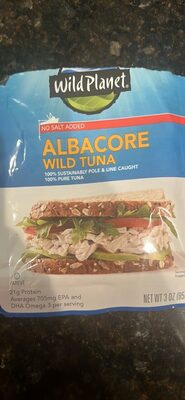
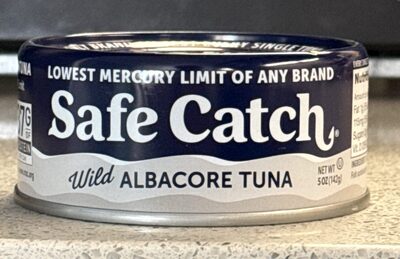

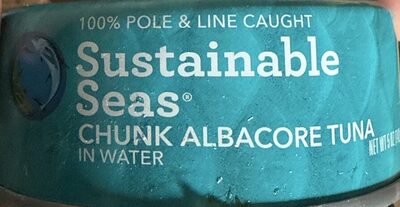
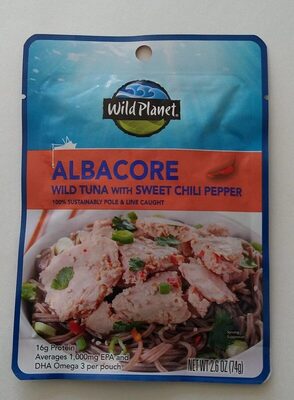
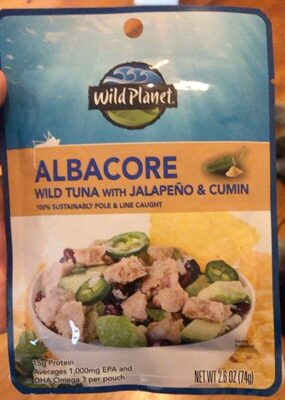
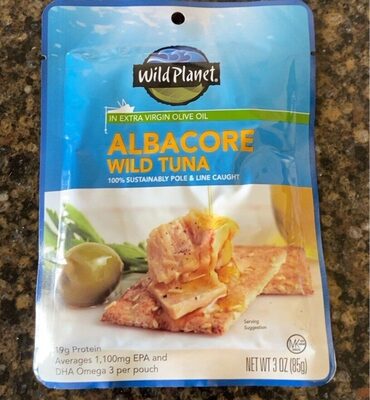
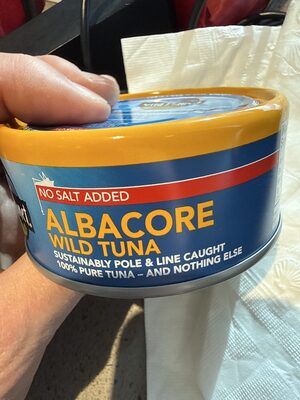
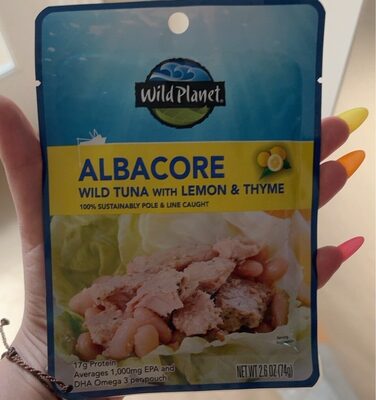 Wild Planet
Albacore Wild Tuna With Lemon & Thyme, Lemon & Thyme
176kcal
23.0Protein
9.5Fat
1.4Carbs
Learn more
Auto-generated content. This description was generated automatically and is pending editorial review. Inaccuracies are possible. Found a mistake? Contact us.