To Help Protect Flavor
Auto-generated content. This description was generated automatically and is pending editorial review. Inaccuracies are possible. Found a mistake? Contact us.
What it is
This ingredient is a group of compounds, often including tocopherols (Vitamin E) and ascorbic acid (Vitamin C), that prevent or slow down spoilage and maintain the quality of food. They work by inhibiting oxidation, a chemical process that can cause fats to go rancid and flavors to change. These compounds can be naturally derived from plant sources or synthesized.
Why it's used
Antioxidants are added to foods to prevent fats and oils from becoming rancid and to protect flavors and colors from degrading due to exposure to air. They are commonly found in processed meats, cereals, baked goods, snack foods, and oils to extend shelf life and maintain product appeal. They are particularly useful in foods with high fat content.
Health notes
Antioxidants like tocopherols and ascorbic acid are generally recognized as safe (GRAS) by the FDA when used as preservatives. Ascorbic acid is also a nutrient (Vitamin C). The Joint FAO/WHO Expert Committee on Food Additives (JECFA) has evaluated many antioxidants and established acceptable daily intakes for some. Evidence generally supports the role of antioxidants in protecting cells from damage, but high doses from supplements can have different effects than those from food.
Allergen info
Not a major allergen. Some antioxidants are derived from soy or wheat, but are typically highly purified, removing allergenic proteins.
Products containing To Help Protect Flavor
Compare products →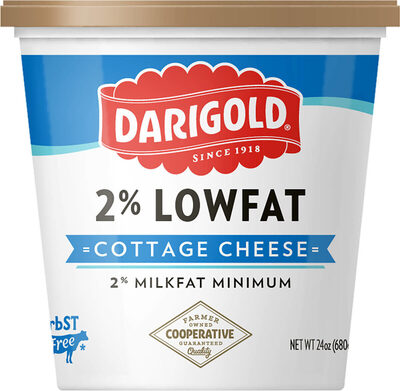 Darigold, Inc.
Darigold, Cottage Cheese
80kcal
11.5Protein
2.2Fat
4.4Carbs
Darigold, Inc.
Darigold, Cottage Cheese
80kcal
11.5Protein
2.2Fat
4.4Carbs
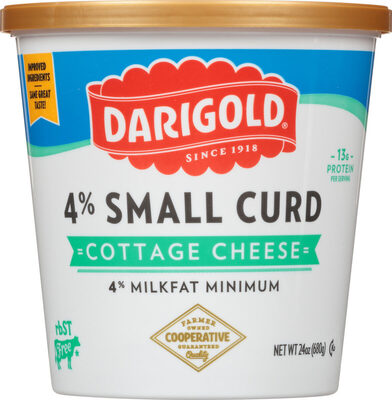 Darigold, Inc.
Darigold, Cottage Cheese
97kcal
11.5Protein
4.4Fat
4.4Carbs
Darigold, Inc.
Darigold, Cottage Cheese
97kcal
11.5Protein
4.4Fat
4.4Carbs
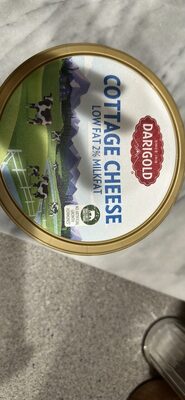 Darigold, Inc.
Darigold, Cottage Cheese
80kcal
11.5Protein
2.2Fat
4.4Carbs
Hormel Foods Corporation
Chicken Breast & Mashed Potatoes With Rib Meat Roasted White Meat Chicken With Creamy Mashed Potatoes And Flavorful Chicken Gravy
High in sodium — 43% DV per serving
70kcal
6.0Protein
1.4Fat
8.7Carbs
Kraft Heinz Foods Company
Crystal Light, Drink Mix, Fruit Punch, Fruit Punch
385kcal
0Protein
0Fat
0Carbs
Darigold, Inc.
Darigold, Cottage Cheese
80kcal
11.5Protein
2.2Fat
4.4Carbs
Hormel Foods Corporation
Chicken Breast & Mashed Potatoes With Rib Meat Roasted White Meat Chicken With Creamy Mashed Potatoes And Flavorful Chicken Gravy
High in sodium — 43% DV per serving
70kcal
6.0Protein
1.4Fat
8.7Carbs
Kraft Heinz Foods Company
Crystal Light, Drink Mix, Fruit Punch, Fruit Punch
385kcal
0Protein
0Fat
0Carbs
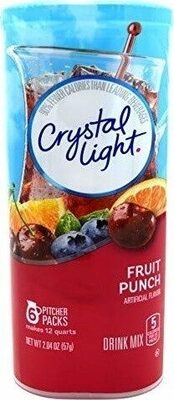 Kraft Heinz Foods Company
Fruit Punch Drink Mix, Fruit Punch
263kcal
0Protein
0Fat
105Carbs
Tampico Beverages Inc.
Ice Tea, Pomegrated-Hibiscus
38kcal
0Protein
0Fat
9.6Carbs
Tampico Beverages Inc.
Iced Tea, Tropical Bliss Peach
42kcal
0Protein
0Fat
10Carbs
Tampico Beverages Inc.
Iced Tea, Starfruit, Mango
38kcal
0Protein
0Fat
9.2Carbs
Tampico Beverages Inc.
Iced Tea, Sunny Star Fruit
38kcal
0Protein
0Fat
9.2Carbs
Tampico Beverages Inc.
Playful Peach Iced Tea, Peach, Mango
38kcal
0Protein
0Fat
9.2Carbs
Tampico Beverages Inc.
Iced Tea, Tropical Bliss
42kcal
0Protein
0Fat
10Carbs
Kraft Heinz Foods Company
Fruit Punch Drink Mix, Fruit Punch
263kcal
0Protein
0Fat
105Carbs
Tampico Beverages Inc.
Ice Tea, Pomegrated-Hibiscus
38kcal
0Protein
0Fat
9.6Carbs
Tampico Beverages Inc.
Iced Tea, Tropical Bliss Peach
42kcal
0Protein
0Fat
10Carbs
Tampico Beverages Inc.
Iced Tea, Starfruit, Mango
38kcal
0Protein
0Fat
9.2Carbs
Tampico Beverages Inc.
Iced Tea, Sunny Star Fruit
38kcal
0Protein
0Fat
9.2Carbs
Tampico Beverages Inc.
Playful Peach Iced Tea, Peach, Mango
38kcal
0Protein
0Fat
9.2Carbs
Tampico Beverages Inc.
Iced Tea, Tropical Bliss
42kcal
0Protein
0Fat
10Carbs