To Protect Flavors
What is To Protect Flavors?
To Protect Flavors is a category of ingredients, not a single substance. These are typically antioxidants or antimicrobials that prevent food from spoiling or losing its taste and color. They can be naturally derived or synthetically produced.
Is To Protect Flavors a major allergen?
Not a major allergen.
What is To Protect Flavors used for?
Manufacturers add these ingredients to extend the shelf life and maintain the quality of foods.
Is To Protect Flavors safe?
Many ingredients used 'to protect flavors' have been evaluated by regulatory bodies.
Why it's used
Manufacturers add these ingredients to extend the shelf life and maintain the quality of foods. They prevent oxidation, which can cause fats to go rancid and flavors to change. Common examples include sorbates, benzoates, and BHA/BHT, found in products like salad dressings, cheeses, pickles, and olives.
Health notes
Many ingredients used 'to protect flavors' have been evaluated by regulatory bodies. For example, sodium benzoate and potassium sorbate are FDA-approved preservatives. Antioxidants like BHA and BHT have also been reviewed. While generally recognized as safe (GRAS) at typical levels, some studies have raised questions about potential effects at very high doses, though evidence is mixed and often based on animal studies. JECFA and EFSA have evaluated many of these substances, setting acceptable daily intakes where appropriate.
Allergen info
Not a major allergen. Some preservatives may be derived from sources that could be a concern for individuals with specific sensitivities, but they are not among the FDA's major allergens.
Foods that contain To Protect Flavors
Compare products →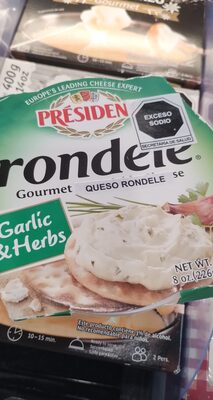
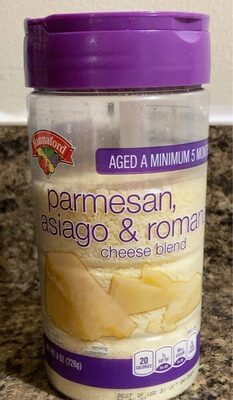
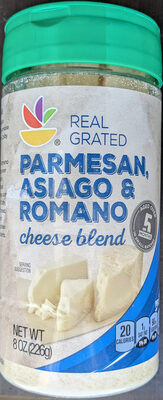
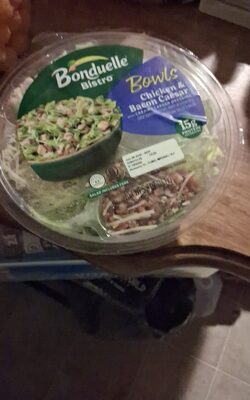
Learn more
Auto-generated content. This description was generated automatically and is pending editorial review. Inaccuracies are possible. Found a mistake? Contact us.