Tocopheryl Acetate
Auto-generated content. This description was generated automatically and is pending editorial review. Inaccuracies are possible. Found a mistake? Contact us.
What it is
Tocopheryl acetate is a synthetic form of vitamin E. It is made by combining tocopherol (vitamin E) with acetic acid. This process helps to stabilize the vitamin, making it less likely to break down when exposed to air or light.
Why it's used
Manufacturers add tocopheryl acetate to foods as a source of vitamin E, which acts as an antioxidant. It is commonly found in fortified foods such as breakfast cereals, snack bars, and some beverages. It helps protect the product from spoilage caused by oxidation.
Health notes
Tocopheryl acetate is generally recognized as safe (GRAS) by the FDA for use as a nutrient supplement. It is a form of vitamin E, an essential nutrient that plays a role in immune function and cell protection. International bodies like JECFA have evaluated vitamin E and its derivatives. Evidence does not suggest adverse effects from typical dietary intakes.
Allergen info
Tocopheryl acetate is not derived from any of the nine FDA major allergens. It does not contain gluten.
Products containing Tocopheryl Acetate
Compare products →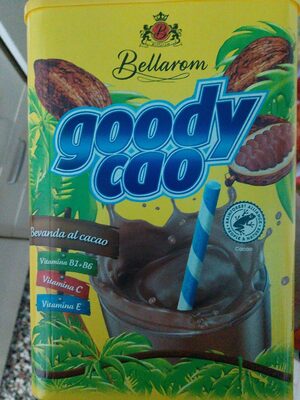 NOT A BRANDED ITEM
Chocolate Flavored Drink Mix, Chocolate
High in added sugars — 28% DV per serving
389kcal
5.6Protein
2.8Fat
77.8Carbs
General Mills, Inc.
Sweetened Corn And Rice Cereal
429kcal
7.1Protein
7.1Fat
82.1Carbs
NOT A BRANDED ITEM
Chocolate Flavored Drink Mix, Chocolate
High in added sugars — 28% DV per serving
389kcal
5.6Protein
2.8Fat
77.8Carbs
General Mills, Inc.
Sweetened Corn And Rice Cereal
429kcal
7.1Protein
7.1Fat
82.1Carbs
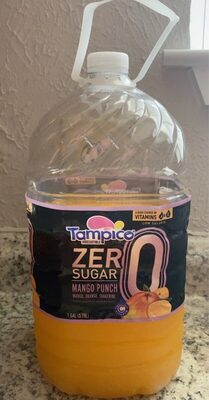 Tampico Beverages Inc.
Mango Punch Mango, Orange, Tangerine Zero Sugar Beverage From Concentrate, Mango Punch
2kcal
0Protein
0Fat
0.4Carbs
Tampico Beverages Inc.
Mango Punch Mango, Orange, Tangerine Zero Sugar Beverage From Concentrate, Mango Punch
2kcal
0Protein
0Fat
0.4Carbs
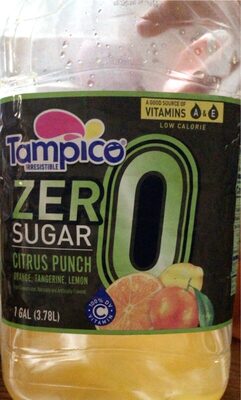 Tampico Beverages Inc.
Citrus Punch Orange, Tangerine, Lemon Zero Sugar Beverage From Concentrate, Citrus Punch
2kcal
0Protein
0Fat
0.4Carbs
Tampico Beverages Inc.
Citrus Punch Orange, Tangerine, Lemon Zero Sugar Beverage From Concentrate, Citrus Punch
2kcal
0Protein
0Fat
0.4Carbs
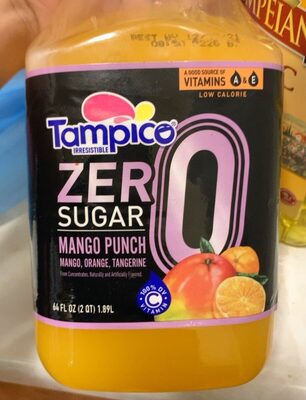 Tampico Beverages Inc.
Mango, Orange, Tangerine Irresistible Zero Sugar Punch, Mango, Orange, Tangerine
2kcal
0Protein
0Fat
0.4Carbs
The Kroger Co.
Kroger, Enhanced Drink Mix With B Vitamins, Grape, Grape
227kcal
0Protein
0Fat
45.5Carbs
Tampico Beverages Inc.
Mango, Orange, Tangerine Irresistible Zero Sugar Punch, Mango, Orange, Tangerine
2kcal
0Protein
0Fat
0.4Carbs
The Kroger Co.
Kroger, Enhanced Drink Mix With B Vitamins, Grape, Grape
227kcal
0Protein
0Fat
45.5Carbs
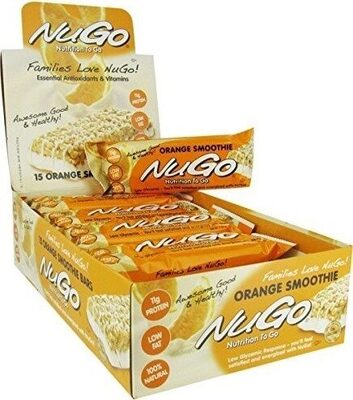 Lifestyle Evolution, Inc.
Orange Smoothie Nutrition Bar, Orange Smoothie
340kcal
22Protein
5Fat
50Carbs
Packom, LLC.
Jake Vitamincandy, Sugar Free Breath Freshener Candy, Mango, Mango
250kcal
0Protein
0Fat
88.9Carbs
Steuben Foods Inc.
Premium Pistachio Beverage, Original
25kcal
0.4Protein
0.8Fat
4.2Carbs
Steuben Foods Inc.
Premium Pistachio Beverage, Unsweetened
12kcal
0.4Protein
1.0Fat
0.4Carbs
Steuben Foods Inc.
Premium Pistachio Beverage, Vanilla
25kcal
0.4Protein
0.8Fat
4.2Carbs
Lifestyle Evolution, Inc.
Orange Smoothie Nutrition Bar, Orange Smoothie
340kcal
22Protein
5Fat
50Carbs
Packom, LLC.
Jake Vitamincandy, Sugar Free Breath Freshener Candy, Mango, Mango
250kcal
0Protein
0Fat
88.9Carbs
Steuben Foods Inc.
Premium Pistachio Beverage, Original
25kcal
0.4Protein
0.8Fat
4.2Carbs
Steuben Foods Inc.
Premium Pistachio Beverage, Unsweetened
12kcal
0.4Protein
1.0Fat
0.4Carbs
Steuben Foods Inc.
Premium Pistachio Beverage, Vanilla
25kcal
0.4Protein
0.8Fat
4.2Carbs