Toffee Bits
What is Toffee Bits?
Toffee bits are small pieces of hard toffee candy. They are typically made by cooking sugar and butter together until caramelized, then cooling and breaking or chopping the mixture into small pieces.
Is Toffee Bits vegan?
No. Toffee Bits is animal-derived, so it is not vegan.
Is Toffee Bits gluten-free?
They do not contain gluten unless wheat flour is added during preparation.
Is Toffee Bits a major allergen?
Toffee bits are not derived from any of the 9 major FDA allergens.
What is Toffee Bits used for?
Manufacturers add toffee bits to provide a sweet, buttery flavor and a crunchy texture.
Is Toffee Bits safe?
Toffee bits are primarily composed of sugar and fat, contributing to the calorie content of foods.
Why it's used
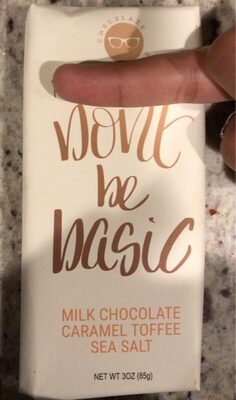
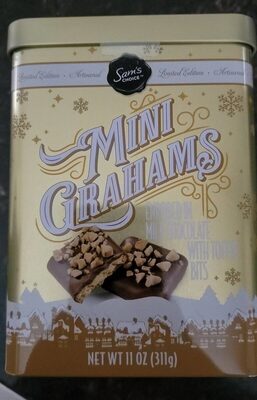
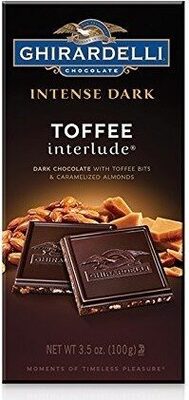
Manufacturers add toffee bits to provide a sweet, buttery flavor and a crunchy texture. They are often found in baked goods like cookies and cakes, as well as in chocolate bars, ice cream, and snack mixes.
Health notes
Toffee bits are primarily composed of sugar and fat, contributing to the calorie content of foods. The FDA considers ingredients like sugar and butter to be generally recognized as safe (GRAS) when used as intended. Regulatory bodies like JECFA and EFSA have evaluated many common food ingredients, but specific evaluations for 'toffee bits' as a distinct ingredient are not typically found. High intake of added sugars and saturated fats, common in toffee, is linked to health concerns by organizations like the World Health Organization.
Allergen info
Toffee bits are not derived from any of the 9 major FDA allergens. They do not contain gluten unless wheat flour is added during preparation.
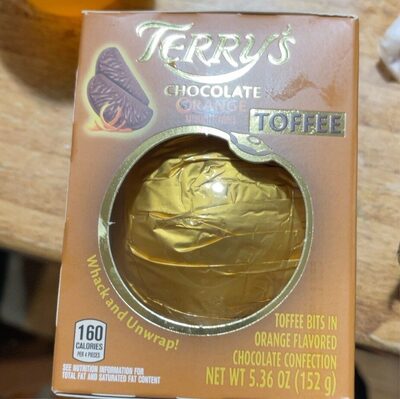
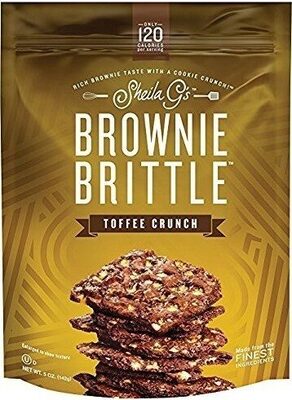
Foods that contain Toffee Bits
Compare products →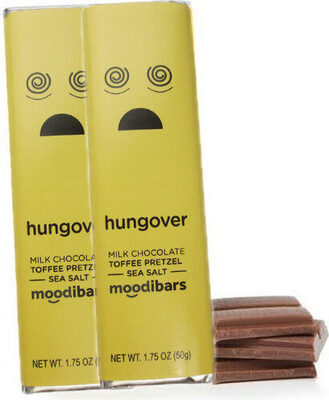

Auto-generated content. This description was generated automatically and is pending editorial review. Inaccuracies are possible. Found a mistake? Contact us.