Trans Fat Free
Auto-generated content. This description was generated automatically and is pending editorial review. Inaccuracies are possible. Found a mistake? Contact us.
What it is
Trans Fat Free is a label claim indicating that a food product contains less than 0.5 grams of total trans fat per serving. Trans fats are a type of unsaturated fatty acid that can occur naturally in small amounts in meat and dairy products from ruminant animals. They are also formed artificially through a process called partial hydrogenation of vegetable oils, which changes liquid oils into solid or semi-solid fats.
Why it's used
Manufacturers use the "Trans Fat Free" claim to highlight that their products meet specific nutritional criteria, often in response to consumer demand for healthier options. Historically, artificial trans fats were used in many processed foods like baked goods, fried snacks, and margarines because they extended shelf life and provided desirable textures. The claim signals that these products have been reformulated to remove or significantly reduce these fats.
Health notes
The FDA considers artificial trans fats, primarily from partially hydrogenated oils (PHOs), to be a public health concern. Since 2018, PHOs are no longer generally recognized as safe (GRAS) for use in food, effectively removing most artificial trans fats from the US food supply. The World Health Organization (WHO) recommends limiting trans fat intake, particularly artificial trans fats, due to their association with an increased risk of heart disease. JECFA has evaluated trans fats and recommends minimizing their intake.
Allergen info
Not a major allergen.
Products containing Trans Fat Free
Compare products →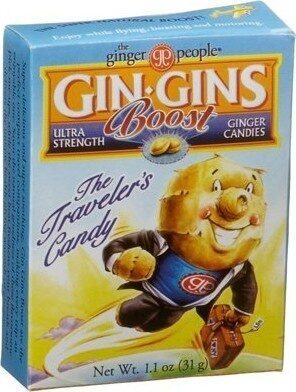 Food Market Management, Inc.
Gin Gins, Ginger Caramel Candy
375kcal
0Protein
0Fat
93.8Carbs
Sotto I Trulli, Inc.
Harvest Assorted Cookies, Harvest Assorted
440kcal
4Protein
24Fat
56Carbs
Flora's Distributors, Inc.
Butter Pastries Cookies, Butter
440kcal
4Protein
24Fat
56Carbs
Sotto I Trulli, Inc.
Holiday Cookie Collection, Holiday
474kcal
5.3Protein
23.7Fat
52.6Carbs
Sotto I Trulli, Inc.
Holiday Cookie Collection, Holiday
474kcal
5.3Protein
23.7Fat
52.6Carbs
Food Market Management, Inc.
Gin Gins, Ginger Caramel Candy
375kcal
0Protein
0Fat
93.8Carbs
Sotto I Trulli, Inc.
Harvest Assorted Cookies, Harvest Assorted
440kcal
4Protein
24Fat
56Carbs
Flora's Distributors, Inc.
Butter Pastries Cookies, Butter
440kcal
4Protein
24Fat
56Carbs
Sotto I Trulli, Inc.
Holiday Cookie Collection, Holiday
474kcal
5.3Protein
23.7Fat
52.6Carbs
Sotto I Trulli, Inc.
Holiday Cookie Collection, Holiday
474kcal
5.3Protein
23.7Fat
52.6Carbs