Enriched
What is Enriched?
Enriched refers to a food that has had nutrients added back into it that were lost during processing. Typically, this applies to refined grains like white flour, where B vitamins (thiamin, riboflavin, niacin, folic acid) and iron are added back. The enrichment process aims to restore the nutritional value of the grain.
Is Enriched vegan?
Enriched is not animal-derived. Products that contain it can still include other animal-derived ingredients, so check the full ingredient list.
Is Enriched gluten-free?
Therefore, enriched products may contain wheat and gluten.
Is Enriched a major allergen?
Enriched flour is typically derived from wheat, which is one of the FDA's major allergens.
What is Enriched used for?
Enrichment is most common in refined grain products such as bread, pasta, rice, and cereals.
Is Enriched safe?
In the US, enriched flour is a common ingredient, and the added nutrients are generally recognized as safe (GRAS) by the FDA.
Why it's used
Enrichment is most common in refined grain products such as bread, pasta, rice, and cereals. Manufacturers enrich these foods to improve their nutritional profile and to compensate for nutrient losses during milling. This helps consumers obtain important vitamins and minerals that might otherwise be lacking in their diet.
Health notes
In the US, enriched flour is a common ingredient, and the added nutrients are generally recognized as safe (GRAS) by the FDA. These added nutrients play vital roles in energy metabolism and red blood cell formation. International bodies like JECFA have evaluated many of the added vitamins and minerals, and EFSA has also assessed their safety. At typical consumption levels, enriched grains contribute positively to nutrient intake without known adverse effects.
Allergen info
Enriched flour is typically derived from wheat, which is one of the FDA's major allergens. Therefore, enriched products may contain wheat and gluten.
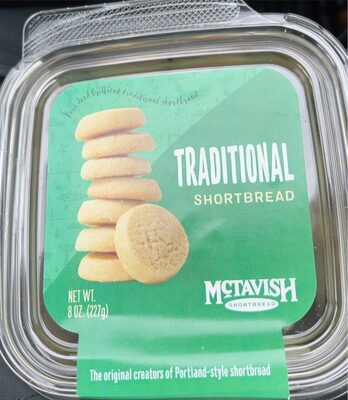
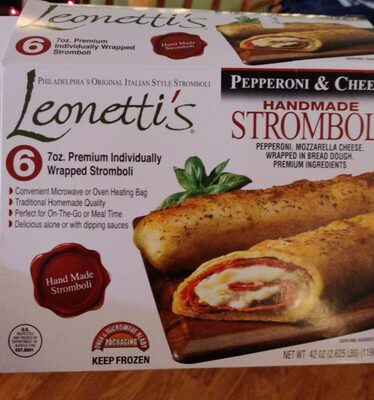
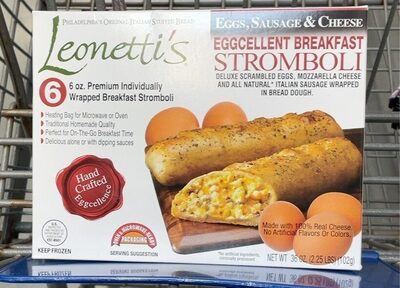
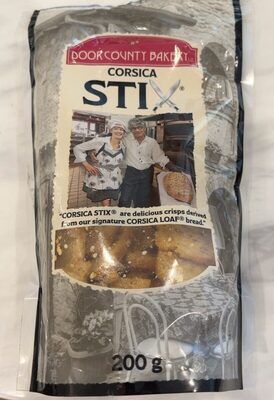
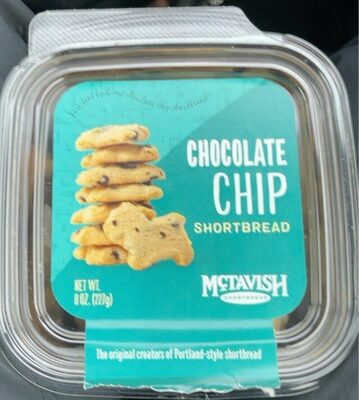
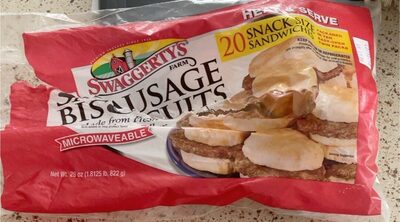
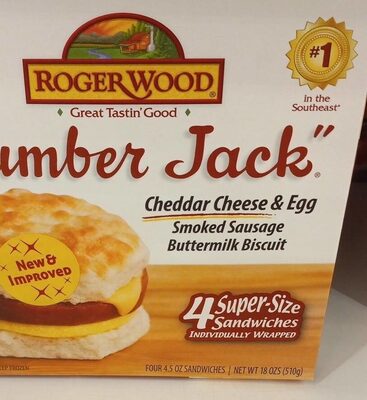
Foods that contain Enriched
Compare products →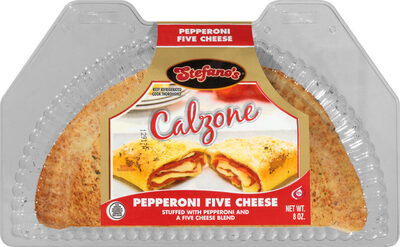
 Cinnabon
Gooey Bites
High in saturated fat — 30% DV per serving
333kcal
5.8Protein
10.9Fat
53.2Carbs
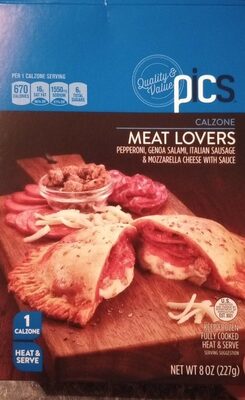
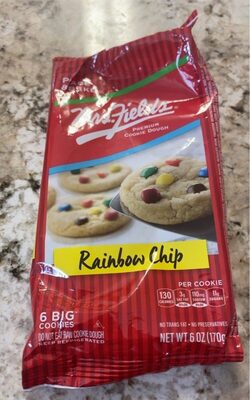
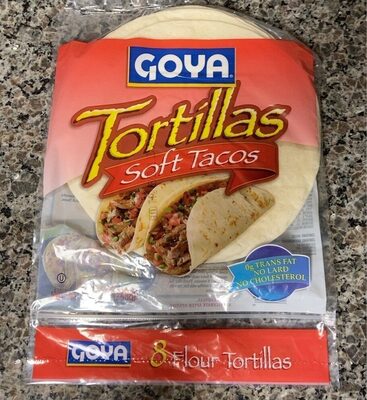
Learn more
Auto-generated content. This description was generated automatically and is pending editorial review. Inaccuracies are possible. Found a mistake? Contact us.