Tri- And Dicalcium Phosphate
What is Tri- And Dicalcium Phosphate?
Tri- and dicalcium phosphate are mineral compounds that occur naturally in the body and in food. They are manufactured by reacting calcium carbonate or calcium hydroxide with phosphoric acid. These compounds are often used in food processing to improve texture and nutritional value.
Is Tri- And Dicalcium Phosphate vegan?
Tri- And Dicalcium Phosphate is not animal-derived. Products that contain it can still include other animal-derived ingredients, so check the full ingredient list.
Is Tri- And Dicalcium Phosphate a major allergen?
Not a major allergen.
What is Tri- And Dicalcium Phosphate used for?
These phosphates are added to foods as anti-caking agents, to help prevent powders from clumping.
Is Tri- And Dicalcium Phosphate safe?
Tri- and dicalcium phosphate are generally recognized as safe (GRAS) by the FDA for use in food.
Why it's used
These phosphates are added to foods as anti-caking agents, to help prevent powders from clumping. They can also act as dough conditioners in baked goods and as a source of calcium and phosphorus in fortified foods like cereals and beverages.
Health notes
Tri- and dicalcium phosphate are generally recognized as safe (GRAS) by the FDA for use in food. They are a source of essential minerals, calcium and phosphorus, which are important for bone health. JECFA and EFSA have evaluated phosphates and established acceptable daily intakes. High intake of phosphates from all sources can be a concern for individuals with kidney disease, but typical dietary intake from these additives is not considered harmful for the general population.
Allergen info
Not a major allergen.
Foods that contain Tri- And Dicalcium Phosphate
Compare products →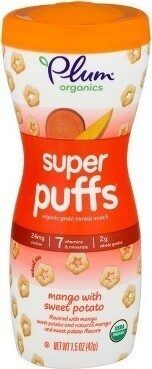 Sun-Maid Growers
Plum Organics Super Puffs Mango with Sweet Potato 1.5oz Canister
357kcal
0Protein
0Fat
85.7Carbs
Sun-Maid Growers
Plum Organics Super Puffs Mango with Sweet Potato 1.5oz Canister
357kcal
0Protein
0Fat
85.7Carbs
 Sun-Maid Growers
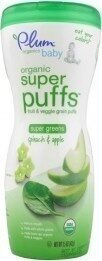
Plum Organics Super Puffs Apple with Spinach 1.5oz Canister
357kcal
0Protein
0Fat
85.7Carbs
Sun-Maid Growers
Plum Organics Super Puffs Apple with Spinach 1.5oz Canister
357kcal
0Protein
0Fat
85.7Carbs
 Sun-Maid Growers
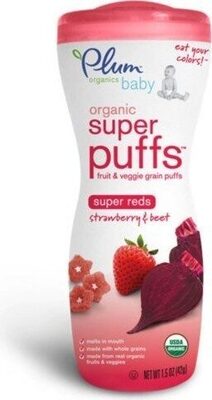
Plum Organics Super Puffs Strawberry with Beet 1.5oz Canister
357kcal
0Protein
0Fat
85.7Carbs
Sun-Maid Growers
Plum Organics Super Puffs Variety 1.5 oz Canister-8-Pack
357kcal
0Protein
0Fat
85.7Carbs
Sun-Maid Growers
Plum Organics Super Puffs Strawberry with Beet 1.5oz Canister
357kcal
0Protein
0Fat
85.7Carbs
Sun-Maid Growers
Plum Organics Super Puffs Variety 1.5 oz Canister-8-Pack
357kcal
0Protein
0Fat
85.7Carbs
Learn more
Auto-generated content. This description was generated automatically and is pending editorial review. Inaccuracies are possible. Found a mistake? Contact us.