Tri-color Rotini Pasta
Auto-generated content. This description was generated automatically and is pending editorial review. Inaccuracies are possible. Found a mistake? Contact us.
What it is
Tri-color rotini pasta is a type of pasta shaped like corkscrews, made from durum wheat semolina. The "tri-color" aspect comes from the addition of other ingredients, typically spinach for green and tomato or paprika for red, to plain pasta dough. It is then dried and packaged.
Why it's used
Tri-color rotini pasta is used in a variety of dishes, often in pasta salads, casseroles, or as a side dish. The different colors make it visually appealing, especially for children. It functions primarily as a carbohydrate base in these foods.
Health notes
Tri-color rotini pasta is a common food ingredient and is generally recognized as safe by the FDA. The coloring agents used, such as tomato or spinach, are food-grade and widely consumed. Regulatory bodies like EFSA have evaluated many food colorings, and while specific evaluations for the combination in tri-color rotini are not detailed, the individual components are considered safe for consumption at typical levels.
Allergen info
Tri-color rotini pasta is made from wheat, which is one of the 9 FDA major allergens. It also contains gluten. Not a major allergen: egg, milk, fish, shellfish, tree nuts, peanuts, soy, sesame.
Products containing Tri-color Rotini Pasta
Compare products →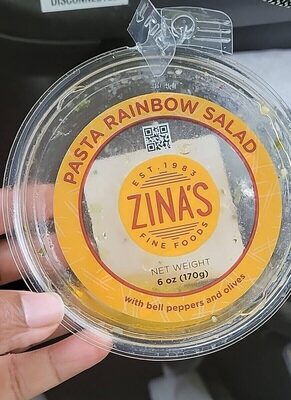 Zina's Salads
Pasta Rainbow Salad
239kcal
3.5Protein
16.8Fat
19.5Carbs
Zina's Salads
Pasta Rainbow Salad
239kcal
3.5Protein
16.8Fat
19.5Carbs