Tristearate
What is Tristearate?
Tristearate is a type of ester, formed when stearic acid, a fatty acid, reacts with glycerol. Stearic acid can be sourced from animal fats or vegetable oils. The resulting tristearate is typically a waxy solid.
Is Tristearate gluten-free?
Tristearate is not derived from any of the nine major allergens and does not contain gluten.
What is Tristearate used for?
Tristearate is used as an emulsifier, helping to blend ingredients that normally don't mix, like oil and water.
Is Tristearate safe?
Tristearate is generally recognized as safe (GRAS) by the FDA for use in food.
Why it's used
Tristearate is used as an emulsifier, helping to blend ingredients that normally don't mix, like oil and water. It can also act as a stabilizer and thickener in food products. You might find it in baked goods, candies, and processed snacks.
Health notes
Tristearate is generally recognized as safe (GRAS) by the FDA for use in food. Regulatory bodies like JECFA and EFSA have evaluated similar fatty acid esters, generally finding them safe for consumption at typical levels. There is no widespread controversy or significant health concern associated with its use in food.
Allergen info
Tristearate is not derived from any of the nine major allergens and does not contain gluten.
Foods that contain Tristearate
Compare products →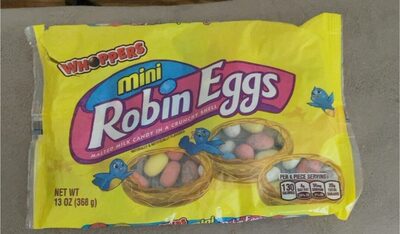 Leaf, Inc.
Malted Milk Flavored Candy In A Crunchy Shell Mini Robbin Eggs, Malted Milk
High in saturated fat — 20% DV per serving
High in added sugars — 36% DV per serving
433kcal
0Protein
13.3Fat
80Carbs
Finlay Extracts & Ingredients USA, Inc.
Roundy's, Easter Pink Frosted Brownies
High in saturated fat — 40% DV per serving
316kcal
2.6Protein
9.2Fat
60.5Carbs
Finlay Extracts & Ingredients USA, Inc.
Roundy's, Easter Blue Frosted Brownies
342kcal
2.6Protein
10.5Fat
63.2Carbs
United States Bakery
Chocolate Enrobed, Filled, Sandwich Cookies
High in saturated fat — 23% DV per serving
478kcal
4.3Protein
26.1Fat
60.9Carbs
Leaf, Inc.
Malted Milk Flavored Candy In A Crunchy Shell Mini Robbin Eggs, Malted Milk
High in saturated fat — 20% DV per serving
High in added sugars — 36% DV per serving
433kcal
0Protein
13.3Fat
80Carbs
Finlay Extracts & Ingredients USA, Inc.
Roundy's, Easter Pink Frosted Brownies
High in saturated fat — 40% DV per serving
316kcal
2.6Protein
9.2Fat
60.5Carbs
Finlay Extracts & Ingredients USA, Inc.
Roundy's, Easter Blue Frosted Brownies
342kcal
2.6Protein
10.5Fat
63.2Carbs
United States Bakery
Chocolate Enrobed, Filled, Sandwich Cookies
High in saturated fat — 23% DV per serving
478kcal
4.3Protein
26.1Fat
60.9Carbs
Learn more
Auto-generated content. This description was generated automatically and is pending editorial review. Inaccuracies are possible. Found a mistake? Contact us.