Tulsi
Auto-generated content. This description was generated automatically and is pending editorial review. Inaccuracies are possible. Found a mistake? Contact us.
What it is
Tulsi, also known as holy basil, is an herb native to the Indian subcontinent. It is widely used in Ayurvedic medicine and as a culinary herb. The leaves and stems are typically used, and they can be dried or used fresh.
Why it's used
Tulsi is most often used as a flavoring agent in teas and beverages. It can also be found in some herbal supplements and food products. Its distinct aroma and flavor contribute to the overall taste profile of these items.
Health notes
Tulsi is generally recognized as safe (GRAS) by the FDA for use in food. It is commonly used in herbal teas and supplements. Some research suggests tulsi may have antioxidant and anti-inflammatory properties, but more studies are needed to confirm these effects in humans. JECFA has evaluated tulsi, but did not set a numeric acceptable daily intake.
Allergen info
Tulsi is not one of the nine major allergens recognized by the FDA. It does not contain gluten.
Products containing Tulsi
Compare products →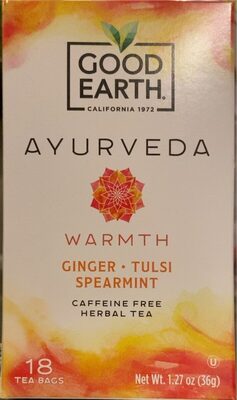 Good Earth Teas, Inc.
Ayurveda Warmth Ginger, Tulsi, Spearmint Caffeine Free Herbal Tea Bags, Ayurveda Warmth
500kcal
0Protein
0Fat
50Carbs
Good Earth Teas, Inc.
Ayurveda Peace Cinnamon, Chamomile, Orange Peel Caffeine Free Herbal Tea Bags, Ayurveda Peace
500kcal
0Protein
0Fat
50Carbs
Rockaway Drinks, LLC
Pineapple, Ginger Coastal Immunity Drink, Pineapple, Ginger
8kcal
0Protein
0Fat
2.2Carbs
Good Earth Teas, Inc.
Ayurveda Warmth Ginger, Tulsi, Spearmint Caffeine Free Herbal Tea Bags, Ayurveda Warmth
500kcal
0Protein
0Fat
50Carbs
Good Earth Teas, Inc.
Ayurveda Peace Cinnamon, Chamomile, Orange Peel Caffeine Free Herbal Tea Bags, Ayurveda Peace
500kcal
0Protein
0Fat
50Carbs
Rockaway Drinks, LLC
Pineapple, Ginger Coastal Immunity Drink, Pineapple, Ginger
8kcal
0Protein
0Fat
2.2Carbs
 Goldthread LLC
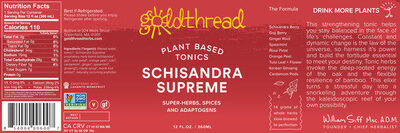
Schisandra Supreme Plant Based Tonics, Schisandra Supreme
31kcal
0Protein
0Fat
7.8Carbs
Yes Life Foods, Inc.
Yesgagao, Dirty, Botanical Chocolate Bar
High in saturated fat — 40% DV per serving
572kcal
4Protein
44Fat
36Carbs
R. C. Bigelow, Inc.
Whispering Wildflowers Herbal Tea Bags
0kcal
0Protein
0Fat
0Carbs
Stress Relief Organic Tea Bags
0kcal
0Protein
0Fat
0Carbs
Goldthread LLC
Elderberry Defense Plant Based Tonics, Elderberry
31kcal
0Protein
0Fat
7.2Carbs
Goldthread LLC
Honey Rose Plant Based Tonics, Honey Rose
28kcal
0Protein
0Fat
6.9Carbs
Goldthread LLC
Schisandra Supreme Plant Based Tonics, Schisandra Supreme
31kcal
0Protein
0Fat
7.8Carbs
Yes Life Foods, Inc.
Yesgagao, Dirty, Botanical Chocolate Bar
High in saturated fat — 40% DV per serving
572kcal
4Protein
44Fat
36Carbs
R. C. Bigelow, Inc.
Whispering Wildflowers Herbal Tea Bags
0kcal
0Protein
0Fat
0Carbs
Stress Relief Organic Tea Bags
0kcal
0Protein
0Fat
0Carbs
Goldthread LLC
Elderberry Defense Plant Based Tonics, Elderberry
31kcal
0Protein
0Fat
7.2Carbs
Goldthread LLC
Honey Rose Plant Based Tonics, Honey Rose
28kcal
0Protein
0Fat
6.9Carbs