Turkey Breast Cutlets: Turkey Breast
What is Turkey Breast Cutlets: Turkey Breast?
Turkey breast cutlets are pieces of boneless, skinless turkey breast that have been cut into uniform shapes, often for easier cooking and portioning. Turkey is a poultry bird raised for its meat. The cutlets are typically prepared by slicing the breast meat.
Is Turkey Breast Cutlets: Turkey Breast vegan?
No. Turkey Breast Cutlets: Turkey Breast is animal-derived, so it is not vegan.
Is Turkey Breast Cutlets: Turkey Breast gluten-free?
It does not contain gluten.
Is Turkey Breast Cutlets: Turkey Breast a major allergen?
Turkey is not one of the 9 FDA major allergens.
What is Turkey Breast Cutlets: Turkey Breast used for?
Turkey breast cutlets are used as a primary protein source in a variety of dishes.
Is Turkey Breast Cutlets: Turkey Breast safe?
Turkey breast is a source of protein and various nutrients.
Why it's used
Turkey breast cutlets are used as a primary protein source in a variety of dishes. They are often found in prepared meals, skillet kits, and can be pan-fried, baked, or grilled. Their mild flavor makes them versatile for different cuisines.
Health notes
Turkey breast is a source of protein and various nutrients. The US FDA considers turkey to be generally recognized as safe (GRAS). Major health organizations do not typically set specific intake limits for whole turkey meat. Evidence does not suggest adverse health effects from consuming turkey breast in typical amounts as part of a balanced diet.
Allergen info
Turkey is not one of the 9 FDA major allergens. It does not contain gluten.
Foods that contain Turkey Breast Cutlets: Turkey Breast
Compare products →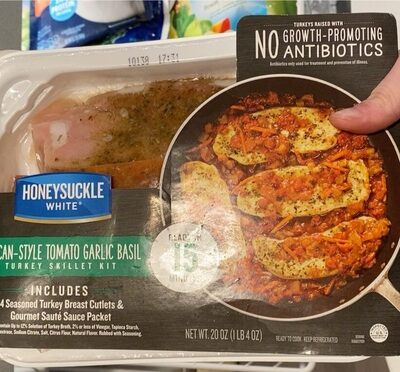
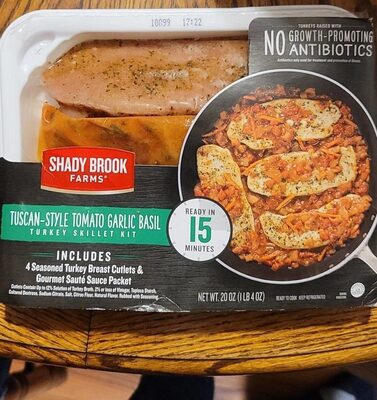
Learn more
Auto-generated content. This description was generated automatically and is pending editorial review. Inaccuracies are possible. Found a mistake? Contact us.