Two Percent Or Less Of The Following: Sodium Lactate
What is Two Percent Or Less Of The Following: Sodium Lactate?
Sodium lactate is the sodium salt of lactic acid. It is produced by the fermentation of carbohydrates, such as corn starch or beet sugar, by lactic acid bacteria. It is a clear, colorless liquid or crystalline solid.
Is Two Percent Or Less Of The Following: Sodium Lactate vegan?
Two Percent Or Less Of The Following: Sodium Lactate is not animal-derived. Products that contain it can still include other animal-derived ingredients, so check the full ingredient list.
Is Two Percent Or Less Of The Following: Sodium Lactate gluten-free?
It does not contain gluten.
Is Two Percent Or Less Of The Following: Sodium Lactate a major allergen?
Sodium lactate is not derived from any of the 9 FDA major allergens.
What is Two Percent Or Less Of The Following: Sodium Lactate used for?
Manufacturers add sodium lactate to foods as a preservative and to help control acidity.
Is Two Percent Or Less Of The Following: Sodium Lactate safe?
In the U.S., sodium lactate is Generally Recognized As Safe (GRAS) by the FDA for use in food.
Why it's used
Manufacturers add sodium lactate to foods as a preservative and to help control acidity. It can extend the shelf life of products by inhibiting the growth of bacteria and other microorganisms. It is often found in processed meats, poultry, fish, and baked goods.
Health notes
In the U.S., sodium lactate is Generally Recognized As Safe (GRAS) by the FDA for use in food. It is a common component of bodily fluids and is metabolized by the body. International bodies like JECFA and EFSA have evaluated sodium lactate, and it is permitted for use in many countries. Evidence does not suggest adverse health effects from typical dietary intake.
Allergen info
Sodium lactate is not derived from any of the 9 FDA major allergens. It does not contain gluten.
Foods that contain Two Percent Or Less Of The Following: Sodium Lactate
Compare products →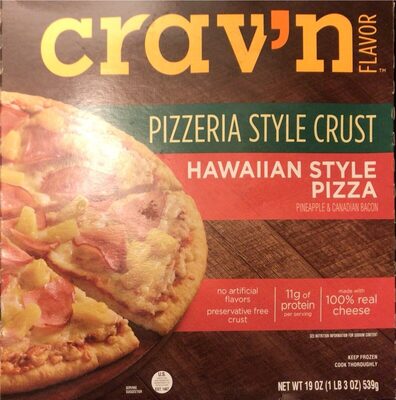
Learn more
Auto-generated content. This description was generated automatically and is pending editorial review. Inaccuracies are possible. Found a mistake? Contact us.