Typickle Pickle Brine
What is Typickle Pickle Brine?
Pickle brine is the liquid used to preserve and flavor pickles and other pickled vegetables. It is typically made from water, salt, and vinegar, often with added spices like dill, garlic, or peppercorns.
Is Typickle Pickle Brine vegan?
Typickle Pickle Brine is not animal-derived. Products that contain it can still include other animal-derived ingredients, so check the full ingredient list.
Is Typickle Pickle Brine a major allergen?
Not a major allergen.
What is Typickle Pickle Brine used for?
Manufacturers use pickle brine as a flavoring agent and preservative in a variety of foods.
Is Typickle Pickle Brine safe?
Pickle brine is generally recognized as safe (GRAS) by the FDA when used as a food ingredient.
Why it's used
Manufacturers use pickle brine as a flavoring agent and preservative in a variety of foods. Its salty, tangy taste is popular in snacks like chips, as well as in other pickled items such as olives and peppers.
Health notes
Pickle brine is generally recognized as safe (GRAS) by the FDA when used as a food ingredient. It is primarily composed of salt and vinegar, which are common food staples. High sodium intake from any source can be a concern for some individuals, as it can affect blood pressure. International bodies like JECFA have evaluated salt and vinegar separately.
Allergen info
Not a major allergen. Pickle brine itself does not contain any of the nine major allergens.
Foods that contain Typickle Pickle Brine
Compare products →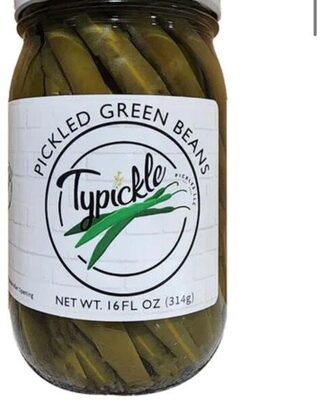
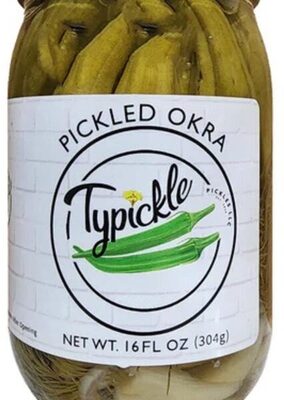
Learn more
Auto-generated content. This description was generated automatically and is pending editorial review. Inaccuracies are possible. Found a mistake? Contact us.