Unpasteurized Apple Cider Vinegar
Auto-generated content. This description was generated automatically and is pending editorial review. Inaccuracies are possible. Found a mistake? Contact us.
What it is
Unpasteurized apple cider vinegar is made from fermented apple juice. The fermentation process converts sugars into alcohol, and then a second fermentation converts the alcohol into acetic acid, which gives vinegar its sour taste and pungent smell. 'Unpasteurized' means it has not been heated to kill bacteria, so it may contain a cloudy sediment called the 'mother'.
Why it's used
Manufacturers add apple cider vinegar for its tart flavor and acidity. It can act as a preservative, an emulsifier in dressings, and a tenderizer in marinades. It is commonly found in salad dressings, marinades, sauces, and as a health supplement.
Health notes
In the US, apple cider vinegar is generally recognized as safe (GRAS) by the FDA when used as intended. Some studies suggest potential benefits for blood sugar control and weight management, but the evidence is not conclusive and more research is needed. JECFA has evaluated acetic acid, the main component of vinegar, and established an acceptable daily intake. Unpasteurized products carry a small risk of containing harmful bacteria if not handled properly.
Allergen info
Not a major allergen. Apple cider vinegar is derived from apples, which are not among the nine major allergens.
Products containing Unpasteurized Apple Cider Vinegar
Compare products →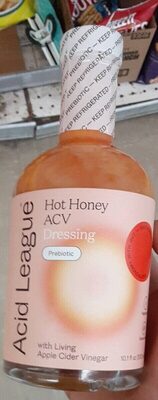 Hot Honey Acv Dressing, Hot Honey
233kcal
0Protein
23.3Fat
10Carbs
Brandless, Inc
Apple Cider Vinegar
0kcal
0Protein
0Fat
0Carbs
Hot Honey Acv Dressing, Hot Honey
233kcal
0Protein
23.3Fat
10Carbs
Brandless, Inc
Apple Cider Vinegar
0kcal
0Protein
0Fat
0Carbs
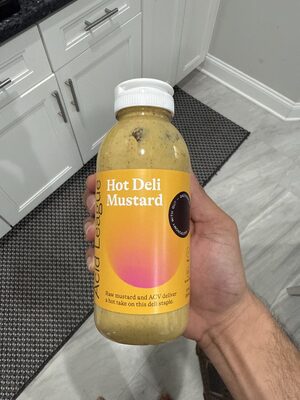 Hot Deli Mustard, Hot Deli
100kcal
0Protein
0Fat
0Carbs
Hot Deli Mustard, Hot Deli
100kcal
0Protein
0Fat
0Carbs
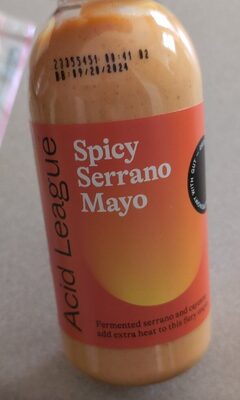 Spicy Serrano Mayo, Spicy Serrano
571kcal
0Protein
64.3Fat
0Carbs
Spicy Serrano Mayo, Spicy Serrano
571kcal
0Protein
64.3Fat
0Carbs
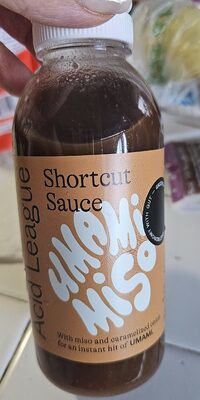 Umami Miso Shortcut Sauce, Umami Miso
100kcal
0Protein
0Fat
20Carbs
Umami Miso Shortcut Sauce, Umami Miso
100kcal
0Protein
0Fat
20Carbs