Unrefined
What is Unrefined?
Unrefined" is a term used to describe food ingredients that have undergone minimal processing. This means they retain more of their natural components, such as minerals, vitamins, and distinct flavor compounds, compared to their refined counterparts. It is commonly applied to products like oils, sugars, and salts.
Is Unrefined a major allergen?
Not a major allergen.
What is Unrefined used for?
Manufacturers choose unrefined ingredients to preserve the original flavor, color, and nutritional profile of the raw material.
Is Unrefined safe?
Unrefined" is a descriptor of a processing state, not a specific food additive or chemical ingredient.
Why it's used
Manufacturers choose unrefined ingredients to preserve the original flavor, color, and nutritional profile of the raw material. For example, unrefined oils often have stronger, more characteristic flavors and colors, while unrefined salts retain trace minerals from their source. This is common in specialty products like virgin coconut oil, sea salts, and certain types of sugar.
Health notes
Unrefined" is a descriptor of a processing state, not a specific food additive or chemical ingredient. Therefore, it does not have a specific regulatory status from the FDA, nor has it been evaluated by bodies like JECFA or EFSA as a standalone entity. The health implications and regulatory status would depend entirely on the specific unrefined food product (e.g., unrefined sugar, unrefined salt, unrefined oil) and its individual components.
Allergen info
Not a major allergen.
Foods that contain Unrefined
Compare products →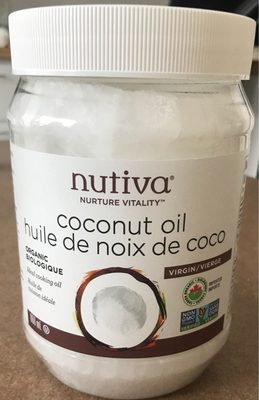
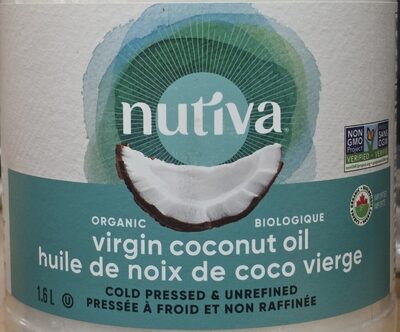 Nutiva
Virgin Coconut Oil
High in saturated fat — 65% DV per serving
867kcal
0Protein
93.3Fat
0Carbs
Auto-generated content. This description was generated automatically and is pending editorial review. Inaccuracies are possible. Found a mistake? Contact us.