Extra Virgin Coconut Oil
What is Extra Virgin Coconut Oil?
Extra virgin coconut oil is the oil extracted from fresh coconut meat without using high heat or chemicals. It is pressed from the flesh of coconuts, which are the fruit of the coconut palm tree.
Is Extra Virgin Coconut Oil vegan?
Extra Virgin Coconut Oil is not animal-derived. Products that contain it can still include other animal-derived ingredients, so check the full ingredient list.
Is Extra Virgin Coconut Oil gluten-free?
It does not contain gluten.
Is Extra Virgin Coconut Oil a major allergen?
Coconut is considered a tree nut by the FDA for labeling purposes, making it one of the major allergens.
What is Extra Virgin Coconut Oil used for?
Manufacturers use extra virgin coconut oil as a cooking oil and as an ingredient in baked goods and snacks.
Is Extra Virgin Coconut Oil safe?
Extra virgin coconut oil is generally recognized as safe (GRAS) by the FDA for use in food.
Why it's used
Manufacturers use extra virgin coconut oil as a cooking oil and as an ingredient in baked goods and snacks. Its distinct flavor and aroma can add a tropical note to foods.
Health notes
Extra virgin coconut oil is generally recognized as safe (GRAS) by the FDA for use in food. It is primarily composed of saturated fats, which have been a subject of nutritional debate. Some research suggests potential benefits, while other studies link high saturated fat intake to increased risk of heart disease. JECFA has evaluated coconut oil and set an acceptable daily intake. More research is needed to fully understand its long-term health effects at typical consumption levels.
Allergen info
Coconut is considered a tree nut by the FDA for labeling purposes, making it one of the major allergens. However, coconut is botanically a fruit, not a true nut. It does not contain gluten.
Foods that contain Extra Virgin Coconut Oil
Compare products →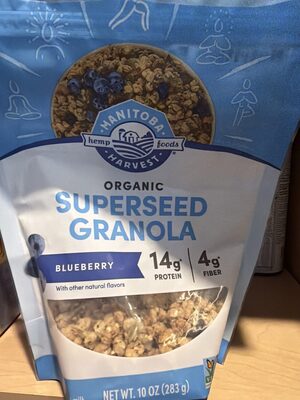
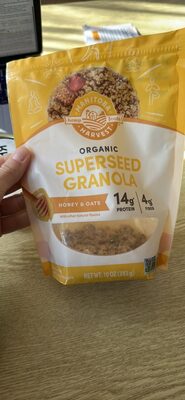
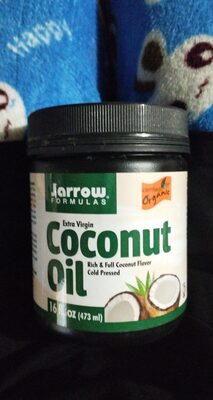
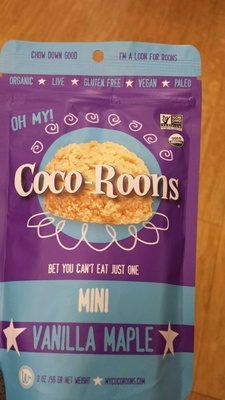
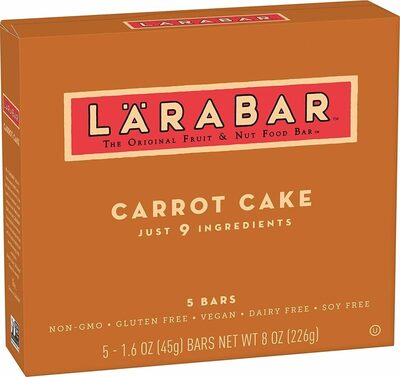
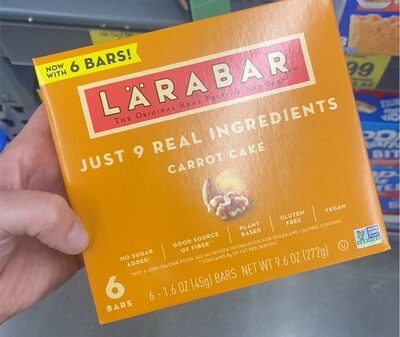
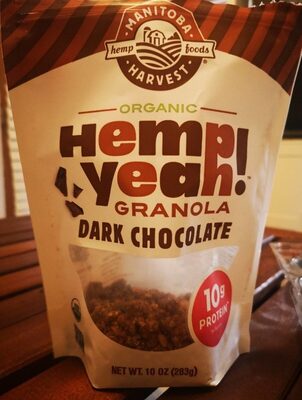
Learn more
Auto-generated content. This description was generated automatically and is pending editorial review. Inaccuracies are possible. Found a mistake? Contact us.