Unsulfured Coconut
What is Unsulfured Coconut?
Unsulfured coconut refers to dried coconut meat that has not been treated with sulfur dioxide. Sulfur dioxide is sometimes used as a preservative to prevent browning and extend shelf life. Unsulfured coconut is typically made by drying fresh coconut meat.
Is Unsulfured Coconut vegan?
Unsulfured Coconut is not animal-derived. Products that contain it can still include other animal-derived ingredients, so check the full ingredient list.
Is Unsulfured Coconut a major allergen?
Coconut is not considered one of the nine major allergens by the FDA.
What is Unsulfured Coconut used for?
Manufacturers add unsulfured coconut for its distinct flavor and chewy texture.
Is Unsulfured Coconut safe?
Unsulfured coconut is generally recognized as safe (GRAS) by the FDA when used as a food ingredient.
Why it's used
Manufacturers add unsulfured coconut for its distinct flavor and chewy texture. It is commonly used in baked goods like cookies, cakes, and muffins, as well as in granola, trail mixes, and as a topping for desserts.
Health notes
Unsulfured coconut is generally recognized as safe (GRAS) by the FDA when used as a food ingredient. It is a source of dietary fiber and healthy fats. JECFA has evaluated coconut oil, which is derived from coconut meat, and established an acceptable daily intake.
Allergen info
Coconut is not considered one of the nine major allergens by the FDA. It is not related to tree nuts, although some people may have allergies to both.
Foods that contain Unsulfured Coconut
Compare products →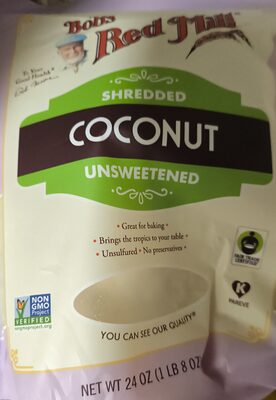
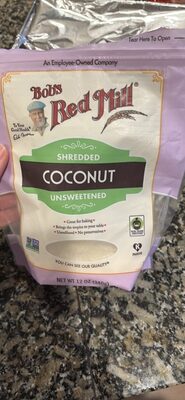
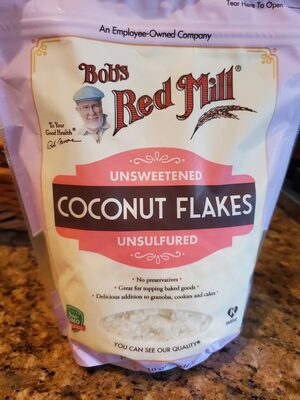
Auto-generated content. This description was generated automatically and is pending editorial review. Inaccuracies are possible. Found a mistake? Contact us.