Up To 2% Retained Water
What is Up To 2% Retained Water?
Retained water refers to water that is intentionally added to or remains in a food product during processing. This can occur through methods like injection, tumbling, or brining, and is often done to improve texture and juiciness. It is a common practice in processed meats and poultry.
Is Up To 2% Retained Water a major allergen?
Retained water itself is not a major allergen.
What is Up To 2% Retained Water used for?
Manufacturers add retained water to improve the palatability and texture of processed foods, particularly meats.
Is Up To 2% Retained Water safe?
Retained water is generally considered safe by regulatory bodies when used in food.
Why it's used
Manufacturers add retained water to improve the palatability and texture of processed foods, particularly meats. It helps to keep the product moist and tender, making it more appealing to consumers. It is frequently found in processed poultry, hams, and other deli meats.
Health notes
Retained water is generally considered safe by regulatory bodies when used in food. The FDA considers added water in poultry and meat products to be a normal part of processing. There are no specific health concerns associated with the presence of retained water at typical consumption levels. International bodies like JECFA have not raised concerns regarding its use.
Allergen info
Retained water itself is not a major allergen. However, if it is used in a brine or marinade, other ingredients in that solution could be allergens.
Foods that contain Up To 2% Retained Water
Compare products →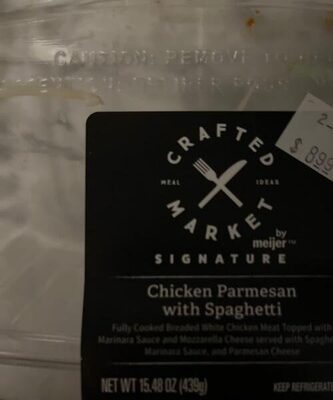
Auto-generated content. This description was generated automatically and is pending editorial review. Inaccuracies are possible. Found a mistake? Contact us.