Vegan Cultures
Auto-generated content. This description was generated automatically and is pending editorial review. Inaccuracies are possible. Found a mistake? Contact us.
What it is
Vegan cultures are live microorganisms, typically bacteria or fungi, used to produce fermented foods without animal products. They are grown in a laboratory on plant-based media, similar to how traditional dairy cultures are grown, but using ingredients like grains, legumes, or plant milks.
Why it's used
Manufacturers use vegan cultures to create fermented plant-based foods that mimic the taste, texture, and tang of traditional dairy products. They are essential for producing vegan cheeses, yogurts, sour creams, and dips, contributing to their characteristic flavor profiles and shelf life.
Health notes
Vegan cultures are generally recognized as safe (GRAS) by the FDA for use in food. As live microorganisms, some strains may offer probiotic benefits, though specific health claims require rigorous scientific substantiation. International bodies like JECFA and EFSA have evaluated various microbial cultures used in food production. Evidence regarding the health effects of specific vegan culture strains at typical consumption levels is still developing.
Allergen info
Vegan cultures themselves are not derived from the nine major allergens. However, the final food product may contain other ingredients that are major allergens, so checking the product label is always recommended.
Products containing Vegan Cultures
Compare products →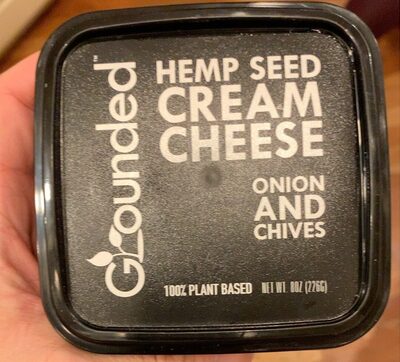 Eat the Change
Onion & Chives Hemp Seed Cream Cheese, Onion & Chives
High in saturated fat — 20% DV per serving
357kcal
7.1Protein
35.7Fat
3.6Carbs
Vermont Backwoods Jerky
Smoked Cheddar Non Dairy Cheese, Smoked Cheddar
214kcal
7.1Protein
16.1Fat
10.7Carbs
Vermont Backwoods Jerky
Seven Point Five Jalapeno, Habanero, Strawberries Non-Dairy Cheese, Jalapeno, Habanero, Strawberries
214kcal
7.1Protein
16.1Fat
10.7Carbs
Eat the Change
Onion & Chives Hemp Seed Cream Cheese, Onion & Chives
High in saturated fat — 20% DV per serving
357kcal
7.1Protein
35.7Fat
3.6Carbs
Vermont Backwoods Jerky
Smoked Cheddar Non Dairy Cheese, Smoked Cheddar
214kcal
7.1Protein
16.1Fat
10.7Carbs
Vermont Backwoods Jerky
Seven Point Five Jalapeno, Habanero, Strawberries Non-Dairy Cheese, Jalapeno, Habanero, Strawberries
214kcal
7.1Protein
16.1Fat
10.7Carbs
 Vermont Backwoods Jerky
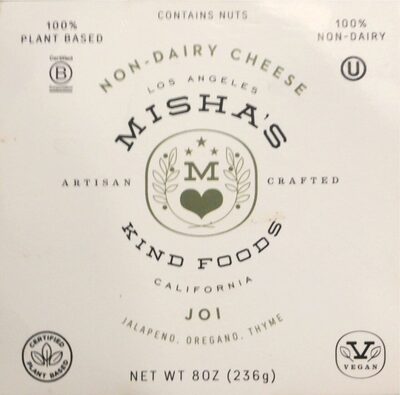
Joi Jalapeno, Oregano, Thyme Non-Dairy Cheese, Joi
214kcal
7.1Protein
16.1Fat
10.7Carbs
Vermont Backwoods Jerky
Joi Jalapeno, Oregano, Thyme Non-Dairy Cheese, Joi
214kcal
7.1Protein
16.1Fat
10.7Carbs
 Vermont Backwoods Jerky
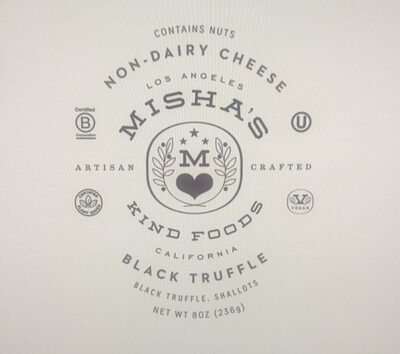
Non-Dairy Cheese Black Truffle
214kcal
7.1Protein
17.9Fat
10.7Carbs
Vermont Backwoods Jerky
Sari Sun-Dried Tomatoes, Roasted Garlic, Cilantro
250kcal
7.1Protein
17.9Fat
14.3Carbs
Summer Solutions
Labneh Red Pepper Organic Dairy-Free Yogurt Dip, Labn Red Pepper
High in saturated fat — 25% DV per serving
179kcal
3.6Protein
17.9Fat
3.6Carbs
Vermont Backwoods Jerky
Non-Dairy Cheese Black Truffle
214kcal
7.1Protein
17.9Fat
10.7Carbs
Vermont Backwoods Jerky
Sari Sun-Dried Tomatoes, Roasted Garlic, Cilantro
250kcal
7.1Protein
17.9Fat
14.3Carbs
Summer Solutions
Labneh Red Pepper Organic Dairy-Free Yogurt Dip, Labn Red Pepper
High in saturated fat — 25% DV per serving
179kcal
3.6Protein
17.9Fat
3.6Carbs