Vegetable Oil And Fat
Auto-generated content. This description was generated automatically and is pending editorial review. Inaccuracies are possible. Found a mistake? Contact us.
What it is
Vegetable oil and fat is a broad term for edible fats and oils derived from plants. These can include oils from seeds like soybean, canola, sunflower, and corn, or fats from fruits like palm and coconut. They are typically extracted through pressing or solvent extraction and then refined to remove impurities.
Why it's used
Manufacturers use vegetable oils and fats for a variety of functions, including improving texture, adding richness, and acting as a cooking medium. They are found in a wide range of processed foods such as baked goods, snacks, and prepared meals, where they contribute to mouthfeel and stability.
Health notes
Vegetable oils and fats are generally recognized as safe (GRAS) by the FDA for use in food. They are a source of energy and can provide essential fatty acids. International bodies like JECFA have evaluated various specific vegetable oils. While generally considered healthy in moderation as part of a balanced diet, the health effects can vary depending on the specific type of fat and its processing.
Allergen info
Depending on the specific source, vegetable oils and fats can be derived from major allergens like soy or tree nuts. For example, soybean oil is derived from soy. Consumers with allergies should check product labels carefully.
Products containing Vegetable Oil And Fat
Compare products →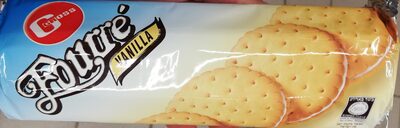 Hellema-Hallum B.V.
Hellema, Fourre, Vanilla, Vanilla
500kcal
5Protein
17.5Fat
75Carbs
Hellema-Hallum B.V.
Hellema, Fourre, Vanilla, Vanilla
500kcal
5Protein
17.5Fat
75Carbs
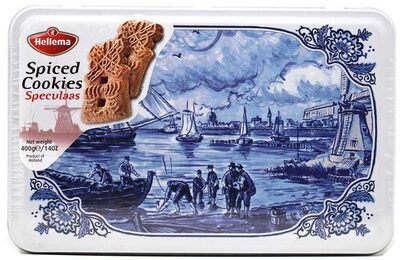 Hellema-Hallum B.V.
Spiced Cookies Speculaas
High in sodium — 28% DV per serving
High in saturated fat — 40% DV per serving
485kcal
6Protein
17.5Fat
75Carbs
Bendiner Technologies, LLC
Cinnamon Rolled Crepe, Cinnamon
406kcal
6.2Protein
12.5Fat
62.5Carbs
Hellema-Hallum B.V.
Hellema, Foure, Cocoa Biscuits With Cocoa Flavoured Cream Filling
500kcal
5Protein
22.5Fat
70Carbs
Hellema Hallum B.V.
Hellema, Viennese Fingers
544kcal
6Protein
31Fat
61Carbs
Top Dog Records, Inc.
Kinder, Happy Hippo, Biscuits
587kcal
8.5Protein
38.9Fat
50.1Carbs
Hellema-Hallum B.V.
Spiced Cookies Speculaas
High in sodium — 28% DV per serving
High in saturated fat — 40% DV per serving
485kcal
6Protein
17.5Fat
75Carbs
Bendiner Technologies, LLC
Cinnamon Rolled Crepe, Cinnamon
406kcal
6.2Protein
12.5Fat
62.5Carbs
Hellema-Hallum B.V.
Hellema, Foure, Cocoa Biscuits With Cocoa Flavoured Cream Filling
500kcal
5Protein
22.5Fat
70Carbs
Hellema Hallum B.V.
Hellema, Viennese Fingers
544kcal
6Protein
31Fat
61Carbs
Top Dog Records, Inc.
Kinder, Happy Hippo, Biscuits
587kcal
8.5Protein
38.9Fat
50.1Carbs
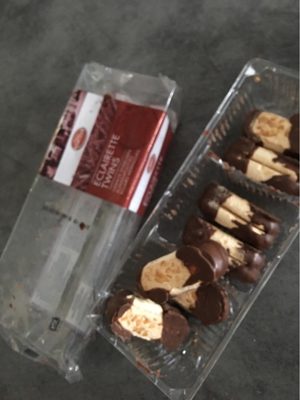 De Aviateur Banketbakkerijen B.V.
Aviateur, Eclairette Twins
488kcal
5Protein
22.5Fat
65.6Carbs
De Aviateur Banketbakkerijen B.V.
Aviateur, Eclairette Twins
488kcal
5Protein
22.5Fat
65.6Carbs
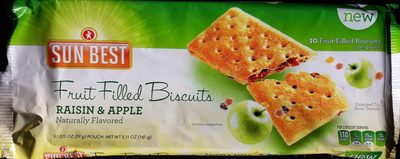 Hellema-Hallum B.V.
Strawberry Flavored Fruit Filled Biscuits, Strawberry
379kcal
6.9Protein
6.9Fat
75.9Carbs
Hellema-Hallum B.V.
Strawberry Flavored Fruit Filled Biscuits, Strawberry
379kcal
6.9Protein
6.9Fat
75.9Carbs
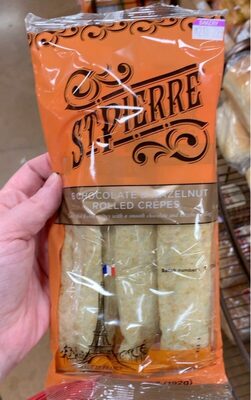 Bendiner Technologies, LLC
Chocolate & Hazelnut Rolled Crepes, Chocolate & Hazelnut
High in added sugars — 22% DV per serving
469kcal
6.2Protein
21.9Fat
56.2Carbs
Mon Cheri Bridals
Corn Potage Snack / Yaokin
567kcal
0Protein
35Fat
50Carbs
Bendiner Technologies, LLC
Chocolate & Hazelnut Rolled Crepes, Chocolate & Hazelnut
High in added sugars — 22% DV per serving
469kcal
6.2Protein
21.9Fat
56.2Carbs
Mon Cheri Bridals
Corn Potage Snack / Yaokin
567kcal
0Protein
35Fat
50Carbs