Vermouth
Auto-generated content. This description was generated automatically and is pending editorial review. Inaccuracies are possible. Found a mistake? Contact us.
What it is
Vermouth is a fortified wine flavored with herbs, botanicals, and spices. It is typically made from a base of neutral wine, to which alcohol and sugar are added, along with a blend of herbs and spices, most notably wormwood. The resulting beverage can be sweet or dry, and is often used as an ingredient in cocktails.
Why it's used
Manufacturers use vermouth primarily as a flavoring agent in foods, especially those with savory profiles. It adds a complex, herbaceous, and slightly bitter taste. Common food applications include pickles, olives, relishes, and certain savory sauces or marinades.
Health notes
Vermouth is considered a flavoring ingredient and is generally recognized as safe (GRAS) by the FDA for use in food. As it is an alcoholic beverage, its consumption in food products is typically in small amounts, and health effects at these levels are not a significant concern. International bodies like JECFA have evaluated similar flavoring substances. There are no widespread controversies regarding its use as a food ingredient.
Allergen info
Vermouth is not derived from any of the nine FDA major allergens. It does not contain gluten.
Products containing Vermouth
Compare products →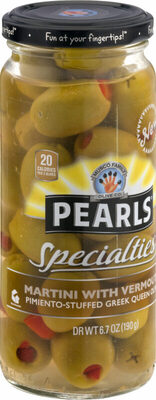 Musco Olive Products, Inc.
Specialties, Martini Vermouth Red Pepper Hand-Stuffed Olives, Martini Vermouth
133kcal
0Protein
13.3Fat
6.7Carbs
Talenti 1 Inc.
Talenti, Gelato, Double Dark Chocolate
High in saturated fat — 35% DV per serving
High in cholesterol — 27% DV per serving
240kcal
5Protein
11Fat
32Carbs
Musco Olive Products, Inc.
Specialties, Martini Vermouth Red Pepper Hand-Stuffed Olives, Martini Vermouth
133kcal
0Protein
13.3Fat
6.7Carbs
Talenti 1 Inc.
Talenti, Gelato, Double Dark Chocolate
High in saturated fat — 35% DV per serving
High in cholesterol — 27% DV per serving
240kcal
5Protein
11Fat
32Carbs