Vinegar & Enzymes
Auto-generated content. This description was generated automatically and is pending editorial review. Inaccuracies are possible. Found a mistake? Contact us.
What it is
Vinegar is a liquid made by fermenting sugars into alcohol, then into acetic acid. Enzymes are proteins that speed up chemical reactions. They are often used together in food processing to break down ingredients or improve texture.
Why it's used
Enzymes are used to modify food properties, such as tenderizing meat or clarifying juices. Vinegar adds a sour taste and can act as a preservative. They are found in products like processed meats, dips, and sauces.
Health notes
Vinegar is generally recognized as safe (GRAS) by the FDA. Acetic acid, the main component of vinegar, has been studied for its potential effects on blood sugar and appetite, though results are mixed. Enzymes used in food processing are typically inactivated during cooking. International bodies like JECFA have evaluated many food enzymes and set guidelines.
Allergen info
Vinegar and enzymes are not typically derived from major allergens. Gluten is not usually present unless specific grains are used in the fermentation process for vinegar.
Products containing Vinegar & Enzymes
Compare products →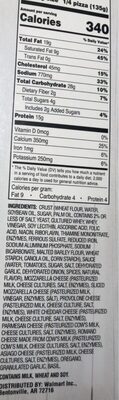 Wal-Mart Stores, Inc.
Thin Crust Cheese Pizza, Thin Crust
High in sodium — 33% DV per serving
High in saturated fat — 45% DV per serving
252kcal
11.1Protein
14.1Fat
20.7Carbs
King Cheese Inc.
Sweet Cheese
143kcal
25Protein
21.4Fat
3.6Carbs
Wal-Mart Stores, Inc.
Thin Crust Cheese Pizza, Thin Crust
High in sodium — 33% DV per serving
High in saturated fat — 45% DV per serving
252kcal
11.1Protein
14.1Fat
20.7Carbs
King Cheese Inc.
Sweet Cheese
143kcal
25Protein
21.4Fat
3.6Carbs