Vitamin 81
Auto-generated content. This description was generated automatically and is pending editorial review. Inaccuracies are possible. Found a mistake? Contact us.
What it is
Vitamin B1, also known as thiamine, is a water-soluble vitamin essential for carbohydrate metabolism and nerve function. It is found naturally in foods like whole grains, pork, and legumes. Manufacturers can also produce it synthetically for use as a food additive.
Why it's used
Manufacturers add thiamine to foods, particularly refined grains, to restore nutrients lost during processing. It functions as a nutrient, helping to fortify products like breads, cereals, and pasta. It is also used in some dietary supplements.
Health notes
Thiamine is recognized as safe and effective by the FDA when used as a nutrient supplement in food. The U.S. National Academies have established a tolerable upper intake level for thiamine. International bodies like JECFA and EFSA have also evaluated thiamine. Deficiency can lead to serious health issues, but at typical intake levels from fortified foods and a balanced diet, it is generally considered safe and beneficial.
Allergen info
Thiamine is not derived from any of the 9 FDA major allergens. It does not contain gluten.
Products containing Vitamin 81
Compare products →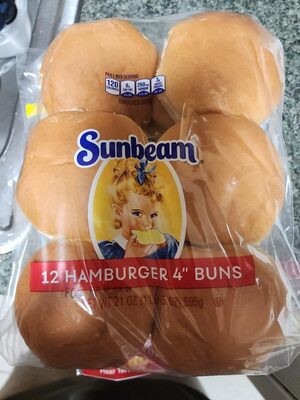 Lewis Bakeries Inc.
Hamburger Enriched Buns
260kcal
10Protein
3Fat
48Carbs
Lewis Bakeries Inc.
Hamburger Enriched Buns
260kcal
10Protein
3Fat
48Carbs
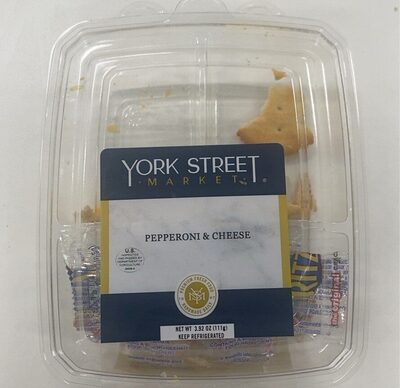 Current's Tackle
Pepperoni & Cheese Snack Box
High in sodium — 50% DV per serving
High in saturated fat — 75% DV per serving
High in cholesterol — 30% DV per serving
456kcal
20.2Protein
33.3Fat
20.2Carbs
Current's Tackle
Pepperoni & Cheese Snack Box
High in sodium — 50% DV per serving
High in saturated fat — 75% DV per serving
High in cholesterol — 30% DV per serving
456kcal
20.2Protein
33.3Fat
20.2Carbs