Vitamin A Acetate
Auto-generated content. This description was generated automatically and is pending editorial review. Inaccuracies are possible. Found a mistake? Contact us.
What it is
Vitamin A acetate is a synthetic form of vitamin A, an essential nutrient for vision, immune function, and cell growth. It is made by combining vitamin A (retinol) with acetic acid. This form is often used in food fortification because it is more stable than other forms of vitamin A.
Why it's used
Manufacturers add vitamin A acetate to foods to increase their vitamin A content, helping consumers meet their daily needs. It is commonly found in fortified products like milk, cereals, and infant formula. It can also be used in some dietary supplements.
Health notes
Vitamin A acetate is generally recognized as safe (GRAS) by the FDA when used as a nutrient. The FDA has approved it as a food additive. JECFA and EFSA have evaluated vitamin A and its derivatives, establishing acceptable daily intakes. Excessive intake of vitamin A, regardless of the form, can lead to adverse health effects, but typical dietary intake from fortified foods is unlikely to cause harm.
Allergen info
Vitamin A acetate is not derived from any of the FDA's major allergens. It does not contain gluten.
Products containing Vitamin A Acetate
Compare products →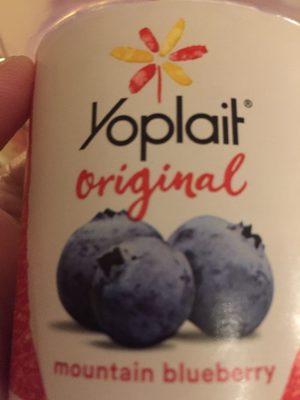 Yoplait Original Mountain Blueberry Low Fat Yogurt
88kcal
3.5Protein
1.2Fat
14.7Carbs
GENERAL MILLS SALES INC.
Yoplait Fruplait Lf Ygrt Strwbry/Peach
88kcal
2.6Protein
0.4Fat
18.6Carbs
JARLSBERG
Reduced Fat Swiss Cheese
250kcal
32.1Protein
12.5Fat
0Carbs
JARLSBERG
Jarlsberg, Semi Soft Part-Skim Cheese
High in saturated fat — 25% DV per serving
357kcal
25Protein
28.6Fat
0Carbs
JARLSBERG
Jarlsberg, Reduced Fat Swiss Cheese
250kcal
32.1Protein
12.5Fat
0Carbs
AMERICAN BREAKFAST
High Fiber Cereal
367kcal
10Protein
3.3Fat
76.7Carbs
JARLSBERG
Swiss Cheese
250kcal
32.1Protein
12.5Fat
0Carbs
WWF Operating Company
So Delicious Dairy Free, Coconut Milk Beverage, Chocolate
High in saturated fat — 20% DV per serving
38kcal
0.4Protein
2.1Fat
5.4Carbs
JARLSBERG
Jarlsberg, Lite Reduced Fat Swiss Cheese
250kcal
32.1Protein
12.5Fat
0Carbs
HANNAFORD
Yogurt Parfait
123kcal
3.3Protein
1.6Fat
22.9Carbs
BALANCE BAR
Nutrition Bar For Lasting Energy
400kcal
30Protein
14Fat
44Carbs
WONKA
Sltest_Discontinued_Usi_Nestle Poppin' Pops
High in saturated fat — 22% DV per serving
475kcal
17.5Protein
20Fat
55Carbs
Yoplait Original Mountain Blueberry Low Fat Yogurt
88kcal
3.5Protein
1.2Fat
14.7Carbs
GENERAL MILLS SALES INC.
Yoplait Fruplait Lf Ygrt Strwbry/Peach
88kcal
2.6Protein
0.4Fat
18.6Carbs
JARLSBERG
Reduced Fat Swiss Cheese
250kcal
32.1Protein
12.5Fat
0Carbs
JARLSBERG
Jarlsberg, Semi Soft Part-Skim Cheese
High in saturated fat — 25% DV per serving
357kcal
25Protein
28.6Fat
0Carbs
JARLSBERG
Jarlsberg, Reduced Fat Swiss Cheese
250kcal
32.1Protein
12.5Fat
0Carbs
AMERICAN BREAKFAST
High Fiber Cereal
367kcal
10Protein
3.3Fat
76.7Carbs
JARLSBERG
Swiss Cheese
250kcal
32.1Protein
12.5Fat
0Carbs
WWF Operating Company
So Delicious Dairy Free, Coconut Milk Beverage, Chocolate
High in saturated fat — 20% DV per serving
38kcal
0.4Protein
2.1Fat
5.4Carbs
JARLSBERG
Jarlsberg, Lite Reduced Fat Swiss Cheese
250kcal
32.1Protein
12.5Fat
0Carbs
HANNAFORD
Yogurt Parfait
123kcal
3.3Protein
1.6Fat
22.9Carbs
BALANCE BAR
Nutrition Bar For Lasting Energy
400kcal
30Protein
14Fat
44Carbs
WONKA
Sltest_Discontinued_Usi_Nestle Poppin' Pops
High in saturated fat — 22% DV per serving
475kcal
17.5Protein
20Fat
55Carbs