Vitamin A Palmitate Added Beta Carotene
What is Vitamin A Palmitate Added Beta Carotene?
Vitamin A palmitate is a form of vitamin A that is fat-soluble. It is made by combining vitamin A with palmitic acid, which is a fatty acid found naturally in palm oil and animal fats. Added beta carotene is a pigment found in plants that the body can convert into vitamin A.
Is Vitamin A Palmitate Added Beta Carotene vegan?
No. Vitamin A Palmitate Added Beta Carotene is animal-derived, so it is not vegan.
Is Vitamin A Palmitate Added Beta Carotene a major allergen?
Not a major allergen.
What is Vitamin A Palmitate Added Beta Carotene used for?
These ingredients are added to foods as a nutrient to fortify them with vitamin A.
Is Vitamin A Palmitate Added Beta Carotene safe?
Vitamin A is an essential nutrient.
Why it's used
These ingredients are added to foods as a nutrient to fortify them with vitamin A. Vitamin A is important for vision, immune function, and skin health. They are commonly found in fortified products like margarine, butter spreads, and baked goods.
Health notes
Vitamin A is an essential nutrient. The U.S. Food and Drug Administration (FDA) considers vitamin A palmitate and beta carotene to be safe when used as nutrients. Excessive intake of vitamin A can lead to health problems, but this is unlikely from typical food consumption. The Joint FAO/WHO Expert Committee on Food Additives (JECFA) and the European Food Safety Authority (EFSA) have evaluated vitamin A and its derivatives.
Allergen info
Not a major allergen.
Foods that contain Vitamin A Palmitate Added Beta Carotene
Compare products →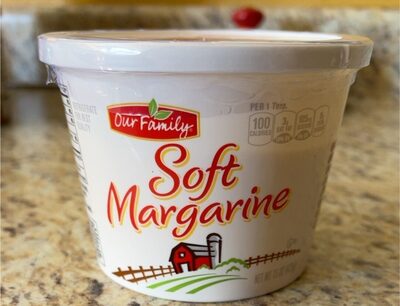 Nash Finch Company
Soft Margarine
714kcal
0Protein
78.6Fat
0Carbs
Safeway, Inc.
Butter Spread With Canola Oil, Light
357kcal
0Protein
42.9Fat
0Carbs
James Skinner Baking Company
Chocolate Craver's Chocolate Iced Cinnamon Sweet Dough Rolls Filled With Mini Chocolate Chips, Chocolate Craver's
321kcal
5.1Protein
9.0Fat
57.7Carbs
Nash Finch Company
Soft Margarine
714kcal
0Protein
78.6Fat
0Carbs
Safeway, Inc.
Butter Spread With Canola Oil, Light
357kcal
0Protein
42.9Fat
0Carbs
James Skinner Baking Company
Chocolate Craver's Chocolate Iced Cinnamon Sweet Dough Rolls Filled With Mini Chocolate Chips, Chocolate Craver's
321kcal
5.1Protein
9.0Fat
57.7Carbs
Learn more
Auto-generated content. This description was generated automatically and is pending editorial review. Inaccuracies are possible. Found a mistake? Contact us.