Vitamin A Palmitate And Enzyme
Auto-generated content. This description was generated automatically and is pending editorial review. Inaccuracies are possible. Found a mistake? Contact us.
What it is
Vitamin A palmitate is a form of vitamin A, a nutrient essential for vision, immune function, and skin health. It is made by combining vitamin A with palmitic acid, which is derived from palm oil. This combination helps stabilize vitamin A and makes it easier to incorporate into foods.
Why it's used
Manufacturers add vitamin A palmitate to fortify foods, meaning they add nutrients to boost their nutritional value. It is commonly found in dairy products like milk, cheese, and yogurt, as well as in some cereals and margarine.
Health notes
Vitamin A palmitate is generally recognized as safe (GRAS) by the FDA when used as a nutrient supplement. The US National Academies have established upper intake levels for vitamin A. Both JECFA and EFSA have evaluated vitamin A and its derivatives. Excessive intake of vitamin A can lead to adverse health effects, but typical dietary intake is unlikely to cause harm.
Allergen info
Vitamin A palmitate itself is not a major allergen. However, it is often added to dairy products, which are a major allergen. It does not contain gluten.
Products containing Vitamin A Palmitate And Enzyme
Compare products →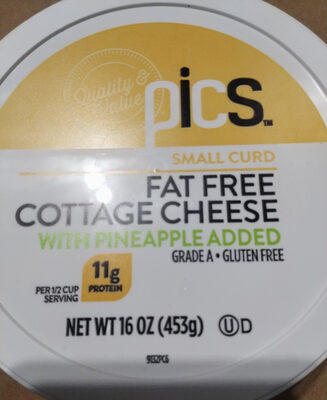 Price Chopper Supermarkets
Price Chopper, Small Curd Cottage Cheese, Pineapple, Pineapple
67kcal
10.1Protein
0Fat
6.7Carbs
S. M. Flickinger Co., Inc.
Best Yet, Nonfat Small Curd Cottage Cheese With Pineapple
67kcal
10.1Protein
0Fat
6.7Carbs
Lowe's Food Stores, Inc.
Lowfat Cottage Cheese Small Curd
High in sodium — 21% DV per serving
80kcal
12.4Protein
1.3Fat
5.3Carbs
Lowe's Food Stores, Inc.
Lowfat Cottage Cheese Small Curd
High in sodium — 21% DV per serving
80kcal
12.4Protein
1.3Fat
5.3Carbs
HP Hood LLC
1% Milkfat Lowfat Cottage Cheese
High in sodium — 21% DV per serving
78kcal
12.2Protein
1.3Fat
5.2Carbs
HP Hood LLC
Light Sour Cream, Light
133kcal
6.7Protein
8.3Fat
6.7Carbs
Price Chopper Supermarkets
Price Chopper, Small Curd Cottage Cheese, Pineapple, Pineapple
67kcal
10.1Protein
0Fat
6.7Carbs
S. M. Flickinger Co., Inc.
Best Yet, Nonfat Small Curd Cottage Cheese With Pineapple
67kcal
10.1Protein
0Fat
6.7Carbs
Lowe's Food Stores, Inc.
Lowfat Cottage Cheese Small Curd
High in sodium — 21% DV per serving
80kcal
12.4Protein
1.3Fat
5.3Carbs
Lowe's Food Stores, Inc.
Lowfat Cottage Cheese Small Curd
High in sodium — 21% DV per serving
80kcal
12.4Protein
1.3Fat
5.3Carbs
HP Hood LLC
1% Milkfat Lowfat Cottage Cheese
High in sodium — 21% DV per serving
78kcal
12.2Protein
1.3Fat
5.2Carbs
HP Hood LLC
Light Sour Cream, Light
133kcal
6.7Protein
8.3Fat
6.7Carbs