Potassium Sorbate And Carbon Dioxide
Auto-generated content. This description was generated automatically and is pending editorial review. Inaccuracies are possible. Found a mistake? Contact us.
What it is
Potassium sorbate is the potassium salt of sorbic acid. It is a manufactured ingredient, typically made by reacting sorbic acid with potassium hydroxide. It is often used in combination with carbon dioxide, which can help preserve foods by creating a slightly acidic environment and inhibiting microbial growth.
Why it's used
Potassium sorbate is a common preservative used to inhibit the growth of mold, yeast, and bacteria in a wide variety of foods. It is frequently found in dairy products like cheese, baked goods, dried fruits, and beverages. Carbon dioxide is often added to packaged foods to extend shelf life by displacing oxygen and creating a protective atmosphere.
Health notes
Potassium sorbate is generally recognized as safe (GRAS) by the U.S. Food and Drug Administration (FDA) for use as a food preservative. International bodies like the Joint FAO/WHO Expert Committee on Food Additives (JECFA) and the European Food Safety Authority (EFSA) have also evaluated potassium sorbate. While generally considered safe at typical consumption levels, some individuals may experience mild allergic reactions or sensitivities, though this is uncommon. Research has not established a link between potassium sorbate and adverse health effects in the general population.
Allergen info
Potassium sorbate is not derived from any of the nine FDA major allergens. It does not contain gluten.
Products containing Potassium Sorbate And Carbon Dioxide
Compare products →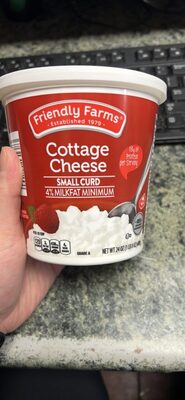 FRIENDLY FARMS
Small Curd Cottage Cheese
106kcal
11.5Protein
4.4Fat
4.4Carbs
HP Hood LLC
Nonfat Cottage Cheese Small Curd
High in sodium — 20% DV per serving
78kcal
12.1Protein
0Fat
6.0Carbs
Topco Associates, Inc.
Cottage Cheese
80kcal
10.6Protein
2.2Fat
5.3Carbs
Topco Associates, Inc.
4% Small Curd Cottage Cheese
High in sodium — 20% DV per serving
97kcal
10.6Protein
4.4Fat
2.6Carbs
FRIENDLY FARMS
Small Curd Cottage Cheese
106kcal
11.5Protein
4.4Fat
4.4Carbs
HP Hood LLC
Nonfat Cottage Cheese Small Curd
High in sodium — 20% DV per serving
78kcal
12.1Protein
0Fat
6.0Carbs
Topco Associates, Inc.
Cottage Cheese
80kcal
10.6Protein
2.2Fat
5.3Carbs
Topco Associates, Inc.
4% Small Curd Cottage Cheese
High in sodium — 20% DV per serving
97kcal
10.6Protein
4.4Fat
2.6Carbs
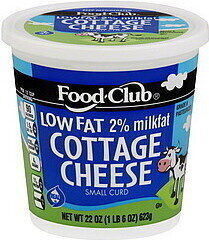 Topco Associates, Inc.
2% Low Fat Small Curd Cottage Cheese
High in sodium — 20% DV per serving
80kcal
11.5Protein
2.2Fat
3.5Carbs
Hy-Vee, Inc.
Small Curd Cottage Cheese
97kcal
10.6Protein
4.4Fat
4.4Carbs
Hy-Vee, Inc.
That's Smart!, Low Fat Cottage Cheese
80kcal
10.6Protein
1.3Fat
5.3Carbs
Topco Associates, Inc.
1% Lowfat Cottage Cheese With Pineapple, Pineapple
101kcal
9.2Protein
0.8Fat
14.3Carbs
Topco Associates, Inc.
2% Low Fat Small Curd Cottage Cheese
High in sodium — 20% DV per serving
80kcal
11.5Protein
2.2Fat
3.5Carbs
Hy-Vee, Inc.
Small Curd Cottage Cheese
97kcal
10.6Protein
4.4Fat
4.4Carbs
Hy-Vee, Inc.
That's Smart!, Low Fat Cottage Cheese
80kcal
10.6Protein
1.3Fat
5.3Carbs
Topco Associates, Inc.
1% Lowfat Cottage Cheese With Pineapple, Pineapple
101kcal
9.2Protein
0.8Fat
14.3Carbs
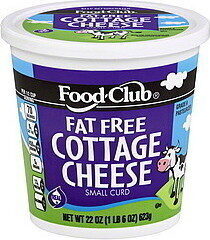 Topco Associates, Inc.
Fat Free Small Curd Cottage Cheese
High in sodium — 20% DV per serving
71kcal
11.5Protein
0Fat
4.4Carbs
Topco Associates, Inc.
Fat Free Small Curd Cottage Cheese
High in sodium — 20% DV per serving
71kcal
11.5Protein
0Fat
4.4Carbs
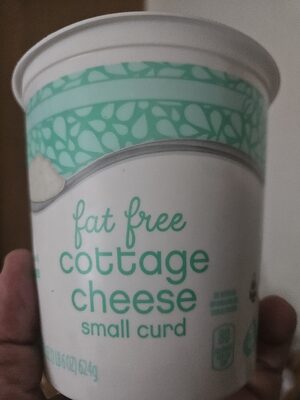 Finlay Extracts & Ingredients USA, Inc.
Fat Free Cottage Cheese
High in sodium — 20% DV per serving
71kcal
11.5Protein
0Fat
4.4Carbs
Finlay Extracts & Ingredients USA, Inc.
Roundy's, Small Curd Cottage Cheese
High in sodium — 20% DV per serving
80kcal
11.5Protein
2.2Fat
3.5Carbs
Finlay Extracts & Ingredients USA, Inc.
Fat Free Cottage Cheese
High in sodium — 20% DV per serving
71kcal
11.5Protein
0Fat
4.4Carbs
Finlay Extracts & Ingredients USA, Inc.
Roundy's, Small Curd Cottage Cheese
High in sodium — 20% DV per serving
80kcal
11.5Protein
2.2Fat
3.5Carbs