Vitamin Acetate
What is Vitamin Acetate?
Vitamin A acetate is a synthetic form of vitamin A, an essential nutrient for vision, immune function, and cell growth. It is typically made by combining retinol (a form of vitamin A) with acetic acid. It is often used in food fortification to increase the vitamin A content of products.
Is Vitamin Acetate gluten-free?
Vitamin A acetate is not derived from any of the nine major allergens and does not contain gluten.
What is Vitamin Acetate used for?
Manufacturers add vitamin A acetate to foods as a nutrient supplement, helping to fortify products and prevent vitamin A deficiency.
Is Vitamin Acetate safe?
Vitamin A acetate is generally recognized as safe (GRAS) by the FDA when used as a nutrient supplement.
Why it's used
Manufacturers add vitamin A acetate to foods as a nutrient supplement, helping to fortify products and prevent vitamin A deficiency. It is commonly found in fortified dairy products like milk and yogurt, as well as cereals, infant formulas, and some beverages.
Health notes
Vitamin A acetate is generally recognized as safe (GRAS) by the FDA when used as a nutrient supplement. The FDA permits its use in food. The Joint FAO/WHO Expert Committee on Food Additives (JECFA) has evaluated vitamin A acetate and established an acceptable daily intake. Excessive intake of vitamin A, regardless of the form, can lead to toxicity, but this is unlikely from typical food consumption.
Allergen info
Vitamin A acetate is not derived from any of the nine major allergens and does not contain gluten.
Foods that contain Vitamin Acetate
Compare products →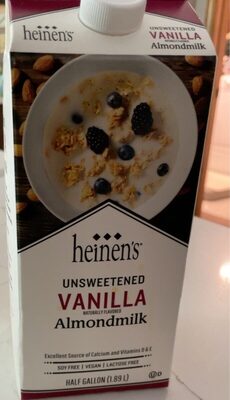 Rafael Padilla & Cia S. En C.
Unsweetened Vanilla Flavored Almondmilk, Unsweetened Vanilla
12kcal
0.4Protein
1.0Fat
0.4Carbs
Harvest Hill Beverage Company
Fruit Drink, Fruit Punch
6kcal
0Protein
0Fat
1.1Carbs
Weis Markets, Inc.
Weis, Grain Bread
273kcal
9.1Protein
4.5Fat
45.5Carbs
Colonna Brothers
Plain Bread Crumbs, Plain
367kcal
13.3Protein
5Fat
73.3Carbs
Rafael Padilla & Cia S. En C.
Unsweetened Vanilla Flavored Almondmilk, Unsweetened Vanilla
12kcal
0.4Protein
1.0Fat
0.4Carbs
Harvest Hill Beverage Company
Fruit Drink, Fruit Punch
6kcal
0Protein
0Fat
1.1Carbs
Weis Markets, Inc.
Weis, Grain Bread
273kcal
9.1Protein
4.5Fat
45.5Carbs
Colonna Brothers
Plain Bread Crumbs, Plain
367kcal
13.3Protein
5Fat
73.3Carbs
Learn more
Auto-generated content. This description was generated automatically and is pending editorial review. Inaccuracies are possible. Found a mistake? Contact us.