Vitamin B2 Riboflavin
What is Vitamin B2 Riboflavin?
Vitamin B2, also known as riboflavin, is a water-soluble vitamin that occurs naturally in foods like eggs, milk, meat, and leafy green vegetables. It plays a crucial role in energy production, cell function, and metabolism. Industrially, it can be produced through chemical synthesis or fermentation processes.
Is Vitamin B2 Riboflavin gluten-free?
Riboflavin is not derived from any of the nine FDA major allergens and does not contain gluten.
What is Vitamin B2 Riboflavin used for?
Riboflavin is commonly added to foods as a nutrient supplement to fortify products and help consumers meet their daily intake needs.
Is Vitamin B2 Riboflavin safe?
Riboflavin is essential for human health and is generally recognized as safe (GRAS) by the FDA when used as a nutrient.
Why it's used
Riboflavin is commonly added to foods as a nutrient supplement to fortify products and help consumers meet their daily intake needs. It is often found in cereals, bread, pasta, and dairy products. It also acts as a natural yellow colorant in some foods.
Health notes
Riboflavin is essential for human health and is generally recognized as safe (GRAS) by the FDA when used as a nutrient. The U.S. National Academies of Sciences, Engineering, and Medicine have established upper intake levels for riboflavin. Both JECFA and EFSA have evaluated riboflavin and established acceptable daily intakes. Consuming adequate amounts of riboflavin is important for energy metabolism and overall health.
Allergen info
Riboflavin is not derived from any of the nine FDA major allergens and does not contain gluten.
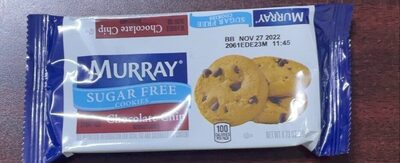
Foods that contain Vitamin B2 Riboflavin
Compare products →



Learn more
Auto-generated content. This description was generated automatically and is pending editorial review. Inaccuracies are possible. Found a mistake? Contact us.