Vitamin C And Pectin
What is Vitamin C And Pectin?
Vitamin C, also known as ascorbic acid, is a vitamin naturally found in many fruits and vegetables. Pectin is a type of fiber that comes from fruits, most commonly apples and citrus peels. Both are often added to foods to improve their quality and nutritional value.
Is Vitamin C And Pectin vegan?
Vitamin C And Pectin is not animal-derived. Products that contain it can still include other animal-derived ingredients, so check the full ingredient list.
Is Vitamin C And Pectin gluten-free?
They are also gluten-free.
Is Vitamin C And Pectin a major allergen?
Neither Vitamin C nor pectin are derived from any of the 9 FDA major allergens.
What is Vitamin C And Pectin used for?
Manufacturers add Vitamin C as an antioxidant to prevent browning and spoilage, and as a nutrient.
Is Vitamin C And Pectin safe?
Vitamin C is an essential nutrient, and pectin is a dietary fiber.
Why it's used
Manufacturers add Vitamin C as an antioxidant to prevent browning and spoilage, and as a nutrient. Pectin is used as a gelling agent, thickener, and stabilizer, especially in jams, jellies, and fruit-based products. They are frequently found together in fruit juices and drinks.
Health notes
Vitamin C is an essential nutrient, and pectin is a dietary fiber. The FDA recognizes both as Generally Recognized As Safe (GRAS) when used in food. JECFA has evaluated Vitamin C and set an acceptable daily intake. EFSA has also evaluated pectin. Neither ingredient has significant health controversies at typical dietary intake levels.
Allergen info
Neither Vitamin C nor pectin are derived from any of the 9 FDA major allergens. They are also gluten-free.
Foods that contain Vitamin C And Pectin
Compare products →
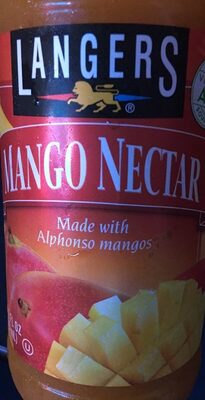 Langers
Mango Nectar, Mango
High in added sugars — 46% DV per serving
59kcal
0Protein
0Fat
14.3Carbs
Learn more
Auto-generated content. This description was generated automatically and is pending editorial review. Inaccuracies are possible. Found a mistake? Contact us.