Vitamin C And Red 40
Auto-generated content. This description was generated automatically and is pending editorial review. Inaccuracies are possible. Found a mistake? Contact us.
What it is
Vitamin C, also known as ascorbic acid, is a nutrient found naturally in fruits and vegetables. It is often added to foods as a vitamin supplement and antioxidant. Red 40 is an artificial red food coloring made from petroleum byproducts.
Why it's used
Vitamin C is added to foods as a nutrient and antioxidant to help prevent spoilage. Red 40 is used to give foods a vibrant red color. They are commonly found together in beverages, fruit-flavored drinks, and some processed snacks.
Health notes
Vitamin C is an essential nutrient, and the FDA considers it generally recognized as safe (GRAS) when used as a nutrient or antioxidant. Red 40 is an FDA-approved color additive. However, in April 2025, the FDA announced a plan to phase out petroleum-based synthetic dyes, including Red 40, due to potential health concerns. Some studies suggest a link between artificial food dyes like Red 40 and hyperactivity in children, though the evidence is mixed and not conclusive. Regulatory bodies like EFSA have evaluated food colorings, but specific evaluations for Red 40's health impacts at typical consumption levels are complex.
Allergen info
Neither Vitamin C nor Red 40 are derived from any of the 9 FDA major allergens. They do not contain gluten.
Products containing Vitamin C And Red 40
Compare products →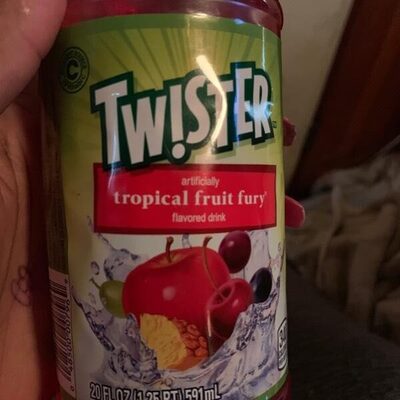 QTG
Tropicana Twister Tropical Fruit Fury Flavored Juice 20 Fluid Ounce Plastic Bottle
55kcal
0.1Protein
0Fat
11.7Carbs
QTG
Tropicana Twister Cherry Berry Blast Flavored Juice 20 Fluid Ounce Plastic Bottle
43kcal
0.2Protein
0Fat
11.3Carbs
Pepsico Inc.
Tropicana Twister Tropical Fruit Fury Juice Beverage 96 Fluid Ounce Plastic Bottle
55kcal
0.1Protein
0Fat
11.7Carbs
Pepsico Inc.
Tropicana Twister Cherry Berry Blast Juice Drink (6 - 10 Fluid Ounce) 60 Fluid Ounces 6 Pack Plastic Bottles
43kcal
0.2Protein
0Fat
11.3Carbs
QTG
Tropicana Twister Tropical Fruit Fury Flavored Juice 20 Fluid Ounce Plastic Bottle
55kcal
0.1Protein
0Fat
11.7Carbs
QTG
Tropicana Twister Cherry Berry Blast Flavored Juice 20 Fluid Ounce Plastic Bottle
43kcal
0.2Protein
0Fat
11.3Carbs
Pepsico Inc.
Tropicana Twister Tropical Fruit Fury Juice Beverage 96 Fluid Ounce Plastic Bottle
55kcal
0.1Protein
0Fat
11.7Carbs
Pepsico Inc.
Tropicana Twister Cherry Berry Blast Juice Drink (6 - 10 Fluid Ounce) 60 Fluid Ounces 6 Pack Plastic Bottles
43kcal
0.2Protein
0Fat
11.3Carbs
 Hawaiian Sun Products, Inc.
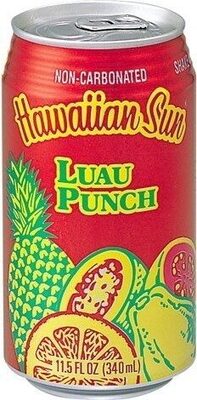
Luau Punch
41kcal
0Protein
0Fat
10.6Carbs
Tropicana Products, Inc.
Drink, Cherry Berry Blast
46kcal
0Protein
0Fat
11.2Carbs
Johanna Foods, Inc.
Strawberry Banana Premium Flavored Drink, Strawberry Banana
High in added sugars — 50% DV per serving
62kcal
0Protein
0Fat
15.4Carbs
Hawaiian Sun Products, Inc.
Luau Punch
41kcal
0Protein
0Fat
10.6Carbs
Tropicana Products, Inc.
Drink, Cherry Berry Blast
46kcal
0Protein
0Fat
11.2Carbs
Johanna Foods, Inc.
Strawberry Banana Premium Flavored Drink, Strawberry Banana
High in added sugars — 50% DV per serving
62kcal
0Protein
0Fat
15.4Carbs