Vitamin C And Vitamin E To Help Maintain Freshness
Auto-generated content. This description was generated automatically and is pending editorial review. Inaccuracies are possible. Found a mistake? Contact us.
What it is
Vitamin C, also known as ascorbic acid, is a water-soluble vitamin found naturally in many fruits and vegetables. Vitamin E, also known as tocopherol, is a fat-soluble vitamin found in nuts, seeds, and vegetable oils. Both are often added to foods as antioxidants.
Why it's used
Manufacturers add Vitamin C and Vitamin E to foods to help prevent spoilage by acting as antioxidants, which slow down the process of oxidation that can cause fats to go rancid and flavors to change. They are commonly found in dairy products, processed meats, baked goods, and beverages.
Health notes
Vitamin C and Vitamin E are essential nutrients. The U.S. Food and Drug Administration (FDA) recognizes both as Generally Recognized As Safe (GRAS) when used as nutrients or preservatives. International bodies like JECFA have evaluated these vitamins. At typical dietary intake levels, they are considered safe and beneficial for health as part of a balanced diet.
Allergen info
Neither Vitamin C nor Vitamin E are derived from the 9 FDA major allergens. They do not contain gluten.
Products containing Vitamin C And Vitamin E To Help Maintain Freshness
Compare products →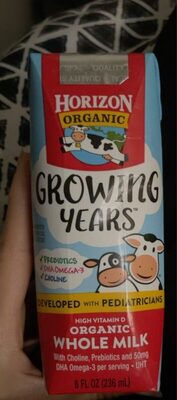 Danone US, LLC
Organic Whole Milk
High in saturated fat — 25% DV per serving
68kcal
3.4Protein
3.4Fat
5.9Carbs
Danone US, LLC
Organic Fat-Free Milk
38kcal
3.8Protein
0Fat
5.4Carbs
Danone US, LLC
Organic Dha Omega-3 Supports Brain Health Fat-Free Milk
38kcal
3.3Protein
0Fat
5.4Carbs
Danone US, LLC
Organic Whole Milk
High in saturated fat — 25% DV per serving
68kcal
3.4Protein
3.4Fat
5.9Carbs
Danone US, LLC
Organic Fat-Free Milk
38kcal
3.8Protein
0Fat
5.4Carbs
Danone US, LLC
Organic Dha Omega-3 Supports Brain Health Fat-Free Milk
38kcal
3.3Protein
0Fat
5.4Carbs
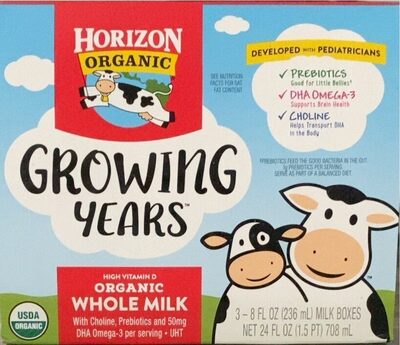 Danone US, LLC
Organic Whole Milk
High in saturated fat — 25% DV per serving
68kcal
3.4Protein
3.4Fat
5.9Carbs
Danone US, LLC
Organic Whole Milk
High in saturated fat — 25% DV per serving
68kcal
3.4Protein
3.4Fat
5.9Carbs
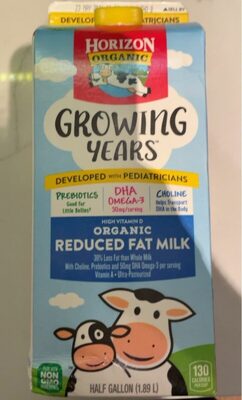 Danone US, LLC
Organic Reduced Fat Milk
54kcal
3.3Protein
2.1Fat
5.8Carbs
Danone US, LLC
Organic Reduced Fat Milk
54kcal
3.3Protein
2.1Fat
5.8Carbs
 Danone US, LLC
Organic Whole Milk
High in saturated fat — 25% DV per serving
71kcal
3.3Protein
3.8Fat
5.8Carbs
Danone US, LLC
Organic Whole Milk
High in saturated fat — 25% DV per serving
71kcal
3.3Protein
3.8Fat
5.8Carbs