Vitamin C And Zinc Oxide
Auto-generated content. This description was generated automatically and is pending editorial review. Inaccuracies are possible. Found a mistake? Contact us.
What it is
Vitamin C, also known as ascorbic acid, is a vitamin found naturally in many fruits and vegetables. Zinc oxide is a mineral compound. Both are often added to foods to boost their nutritional content.
Why it's used
Manufacturers add Vitamin C and zinc oxide to foods primarily to increase their nutritional value, acting as added nutrients. They are commonly found in beverages like fruit juices and nectars, as well as some cereals and supplements.
Health notes
Vitamin C is an essential nutrient. The FDA recognizes Vitamin C as Generally Recognized As Safe (GRAS) when used as a nutrient or dietary supplement. Zinc is also an essential mineral. Zinc oxide is GRAS for use as a nutrient. The WHO/IARC has evaluated Vitamin C, and JECFA has evaluated both Vitamin C and zinc compounds, setting acceptable daily intakes for them. Evidence does not suggest adverse effects from typical dietary intake of these nutrients.
Allergen info
Neither Vitamin C nor zinc oxide are major allergens. They do not contain gluten.
Products containing Vitamin C And Zinc Oxide
Compare products →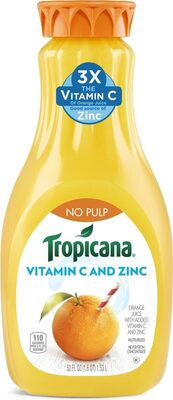 Tropicana Products, Inc.
No Pulp Orange Juice With Vitamin C And Zinc, No Pulp Orange
46kcal
0.8Protein
0Fat
10.8Carbs
Tropicana Products, Inc.
Some Pulp Orange Juice With Vitamin C And Zinc, Some Pulp Orange
46kcal
0.8Protein
0Fat
10.8Carbs
Tropicana Products, Inc.
No Pulp Orange Juice With Vitamin C And Zinc, No Pulp Orange
46kcal
0.8Protein
0Fat
10.8Carbs
Tropicana Products, Inc.
Some Pulp Orange Juice With Vitamin C And Zinc, Some Pulp Orange
46kcal
0.8Protein
0Fat
10.8Carbs