Vitamin C As A Dough Conditioner
What is Vitamin C As A Dough Conditioner?
Vitamin C, also known as ascorbic acid, is a naturally occurring nutrient found in many fruits and vegetables. It can be produced commercially through chemical synthesis, often starting with glucose derived from corn or other plant sources.
Is Vitamin C As A Dough Conditioner vegan?
Vitamin C As A Dough Conditioner is not animal-derived. Products that contain it can still include other animal-derived ingredients, so check the full ingredient list.
Is Vitamin C As A Dough Conditioner gluten-free?
Vitamin C itself does not contain gluten.
Is Vitamin C As A Dough Conditioner a major allergen?
Not a major allergen.
What is Vitamin C As A Dough Conditioner used for?
In baking, Vitamin C acts as a dough conditioner.
Is Vitamin C As A Dough Conditioner safe?
Vitamin C is an essential nutrient for human health and is widely available in foods and dietary supplements.
Why it's used
In baking, Vitamin C acts as a dough conditioner. It strengthens gluten, leading to a better texture and volume in bread and other baked goods. It is commonly found in commercially produced breads, buns, and frozen appetizers.
Health notes
Vitamin C is an essential nutrient for human health and is widely available in foods and dietary supplements. The FDA considers it Generally Recognized As Safe (GRAS) for use in food. International bodies like JECFA and EFSA have evaluated Vitamin C and found it safe for consumption. At typical dietary levels, it plays a vital role in immune function and as an antioxidant.
Allergen info
Not a major allergen. Vitamin C itself does not contain gluten.
Foods that contain Vitamin C As A Dough Conditioner
Compare products →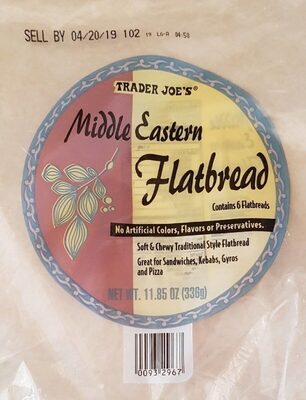 Haddad Apparel Group/hush Puppies Children Wear
Trader Joe's, Middle Eastern Flatbread
268kcal
7.1Protein
5.4Fat
46.4Carbs
Haddad Apparel Group/hush Puppies Children Wear
Trader Joe's, Middle Eastern Flatbread
268kcal
7.1Protein
5.4Fat
46.4Carbs
 Haddad Apparel Group/hush Puppies Children Wear
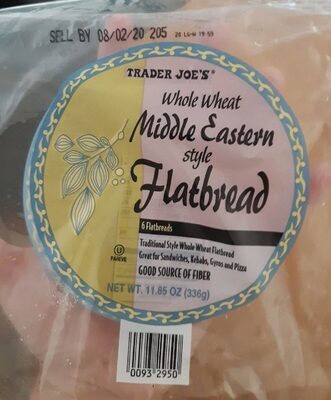
Trader Joe's, Whole Wheat Middle Eastern Flatbread
250kcal
8.9Protein
5.4Fat
42.9Carbs
The Perfect Bite Company
Cajun Style Chicken Sausages In A Blanket
High in sodium — 27% DV per serving
High in saturated fat — 30% DV per serving
High in cholesterol — 20% DV per serving
250kcal
12.5Protein
13.8Fat
20Carbs
Haddad Apparel Group/hush Puppies Children Wear
Trader Joe's, Whole Wheat Middle Eastern Flatbread
250kcal
8.9Protein
5.4Fat
42.9Carbs
The Perfect Bite Company
Cajun Style Chicken Sausages In A Blanket
High in sodium — 27% DV per serving
High in saturated fat — 30% DV per serving
High in cholesterol — 20% DV per serving
250kcal
12.5Protein
13.8Fat
20Carbs
Learn more
Auto-generated content. This description was generated automatically and is pending editorial review. Inaccuracies are possible. Found a mistake? Contact us.