Vitamin C Brainpack: Omega-3 Dha/epa
Auto-generated content. This description was generated automatically and is pending editorial review. Inaccuracies are possible. Found a mistake? Contact us.
What it is
Vitamin C, also known as ascorbic acid, is a water-soluble vitamin naturally found in fruits and vegetables. It is often produced commercially through a process involving the fermentation of glucose, typically derived from corn or wheat. It functions as an antioxidant and is essential for various bodily processes.
Why it's used
Manufacturers add Vitamin C to foods as an antioxidant to prevent spoilage and maintain color, especially in fruits and beverages. It is also used as a nutrient supplement to fortify foods like cereals, juices, and snacks, helping consumers meet their daily intake needs.
Health notes
Vitamin C is generally recognized as safe (GRAS) by the FDA when used as a nutrient or antioxidant. It is an essential nutrient for humans, playing a role in immune function and collagen synthesis. JECFA has evaluated Vitamin C and established an acceptable daily intake. While high doses can cause digestive upset in some individuals, it is not associated with significant health concerns at typical dietary levels.
Allergen info
Vitamin C is not a major allergen. It is not derived from milk, eggs, fish, shellfish, tree nuts, peanuts, wheat, or soy. It does not contain gluten.
Products containing Vitamin C Brainpack: Omega-3 Dha/epa
Compare products →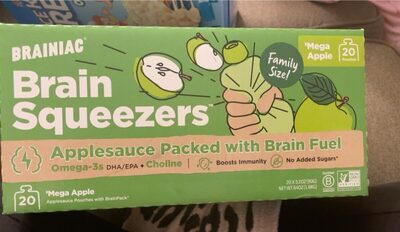 Ingenuity Foods, Inc.
'Mega Apple Applesauce With Brainpack, 'Mega Apple
50kcal
0Protein
0.6Fat
13.3Carbs
Ingenuity Foods, Inc.
Apple Cinnamon Smart Squeezers Applesauce, Apple Cinnamon
50kcal
0Protein
0.6Fat
13.3Carbs
Ingenuity Foods, Inc.
'Mega Apple Applesauce With Brainpack, 'Mega Apple
50kcal
0Protein
0.6Fat
13.3Carbs
Ingenuity Foods, Inc.
Apple Cinnamon Smart Squeezers Applesauce, Apple Cinnamon
50kcal
0Protein
0.6Fat
13.3Carbs
 Ingenuity Foods, Inc.
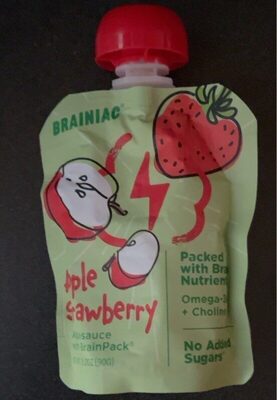
Apple Strawberry Smart Squeezers Applesauce, Apple Strawberry
50kcal
0Protein
0.6Fat
13.3Carbs
Ingenuity Foods, Inc.
Applesauce Brain Squeezers With Brain Fuel, Applesauce
50kcal
0Protein
0.6Fat
13.3Carbs
Ingenuity Foods, Inc.
Omega-3 Applesauce, Omega-3
50kcal
0Protein
0.6Fat
13.3Carbs
Ingenuity Foods, Inc.
Apple Cinnamon Sauce, Apple Cinnamon
50kcal
0Protein
0.6Fat
13.3Carbs
Ingenuity Foods, Inc.
Apple Strawberry Smart Squeezers Applesauce, Apple Strawberry
50kcal
0Protein
0.6Fat
13.3Carbs
Ingenuity Foods, Inc.
Applesauce Brain Squeezers With Brain Fuel, Applesauce
50kcal
0Protein
0.6Fat
13.3Carbs
Ingenuity Foods, Inc.
Omega-3 Applesauce, Omega-3
50kcal
0Protein
0.6Fat
13.3Carbs
Ingenuity Foods, Inc.
Apple Cinnamon Sauce, Apple Cinnamon
50kcal
0Protein
0.6Fat
13.3Carbs