Vitamin D31
What is Vitamin D31?
Vitamin D3, also known as cholecalciferol, is a fat-soluble vitamin that plays a crucial role in calcium absorption and bone health. It is naturally produced in the skin when exposed to sunlight and can also be found in some animal-based foods. In food production, it is often added as a supplement and can be synthesized or derived from animal sources like lanolin.
Is Vitamin D31 vegan?
No. Vitamin D31 is animal-derived, so it is not vegan.
Is Vitamin D31 a major allergen?
Not a major allergen.
What is Vitamin D31 used for?
Vitamin D3 is added to foods to increase their vitamin D content, helping consumers meet their daily requirements.
Is Vitamin D31 safe?
Vitamin D3 is generally recognized as safe (GRAS) by the FDA when used as a nutrient supplement.
Why it's used
Vitamin D3 is added to foods to increase their vitamin D content, helping consumers meet their daily requirements. It is commonly found in fortified dairy products, cereals, and plant-based milk alternatives. Manufacturers add it to support bone health and overall well-being, as vitamin D is essential for calcium and phosphorus absorption.
Health notes
Vitamin D3 is generally recognized as safe (GRAS) by the FDA when used as a nutrient supplement. The National Academies of Sciences, Engineering, and Medicine have established upper intake levels for vitamin D. JECFA has evaluated vitamin D and set an acceptable daily intake. Adequate vitamin D intake is linked to numerous health benefits, including bone health and immune function. Very high intakes can lead to adverse effects, but this is rare from food sources alone.
Allergen info
Not a major allergen. Vitamin D3 itself is not derived from the major allergens. However, some sources used in its production, like lanolin (from sheep's wool), are animal-derived.
Foods that contain Vitamin D31
Compare products →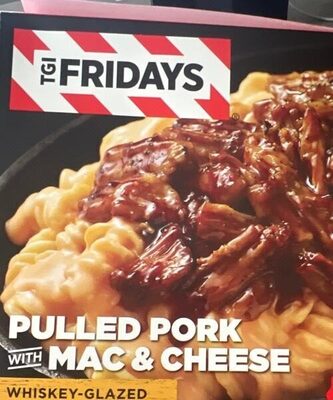 Golden West Trading, Inc.
Whiskey-Glazed Pulled Pork With Mac & Cheese, Whiskey-Glazed With Mac & Cheese
High in sodium — 56% DV per serving
High in saturated fat — 60% DV per serving
High in added sugars — 56% DV per serving
High in cholesterol — 31% DV per serving
202kcal
9.0Protein
9.0Fat
21.5Carbs
Fuji Food Products Inc.
Grilled Chicken, Yellow And Blue Corn Tortilla Strips, And Cheddar Cheese With BBQ Ranch Dressing Salad Kit, BBQ Ranch
238kcal
11.1Protein
14.3Fat
—Carbs
Roth Industries, LLC
Blackened Chicken Alfredo With Pasta, Blackened Chicken Alfredo,
174kcal
8.5Protein
8.2Fat
15.3Carbs
Golden West Trading, Inc.
Whiskey-Glazed Pulled Pork With Mac & Cheese, Whiskey-Glazed With Mac & Cheese
High in sodium — 56% DV per serving
High in saturated fat — 60% DV per serving
High in added sugars — 56% DV per serving
High in cholesterol — 31% DV per serving
202kcal
9.0Protein
9.0Fat
21.5Carbs
Fuji Food Products Inc.
Grilled Chicken, Yellow And Blue Corn Tortilla Strips, And Cheddar Cheese With BBQ Ranch Dressing Salad Kit, BBQ Ranch
238kcal
11.1Protein
14.3Fat
—Carbs
Roth Industries, LLC
Blackened Chicken Alfredo With Pasta, Blackened Chicken Alfredo,
174kcal
8.5Protein
8.2Fat
15.3Carbs
Learn more
Auto-generated content. This description was generated automatically and is pending editorial review. Inaccuracies are possible. Found a mistake? Contact us.