Vitamin E Acetate
Auto-generated content. This description was generated automatically and is pending editorial review. Inaccuracies are possible. Found a mistake? Contact us.
What it is
Vitamin E acetate is a synthetic form of vitamin E, an essential nutrient. It is made by chemically combining vitamin E with acetic acid. This process creates a more stable form of vitamin E that is less likely to degrade when exposed to air and light.
Why it's used
Manufacturers add vitamin E acetate to foods as an antioxidant to help preserve freshness and prevent spoilage. It is also used as a source of vitamin E, which is added to fortify certain food products. You can find it in a variety of items, including beverages, cereals, and plant-based milk alternatives.
Health notes
In the U.S., vitamin E acetate is generally recognized as safe (GRAS) by the FDA when used as a nutrient or antioxidant. It is a source of vitamin E, which is important for immune function and skin health. International bodies like JECFA and EFSA have evaluated vitamin E and its derivatives. While generally considered safe at typical dietary levels, concerns arose around the use of vitamin E acetate in vaping products, which led to health issues unrelated to its consumption in food.
Allergen info
Vitamin E acetate is not derived from any of the nine FDA major allergens. It does not contain gluten.
Products containing Vitamin E Acetate
Compare products →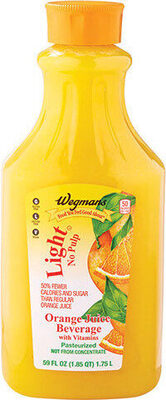 Wegmans Food Markets, Inc.
Orange Juice Beverage
21kcal
0.4Protein
0Fat
5Carbs
HARVEST AWARD
Buttery Spread With Olive Oil
High in saturated fat — 20% DV per serving
643kcal
0Protein
71.4Fat
0Carbs
SNOWTIME
Berry Cool Fruit Drink
11kcal
0Protein
0Fat
2.5Carbs
LITTLE HUG
Fruit Drinks
4kcal
0Protein
0Fat
0.8Carbs
WWF Operating Company
So Delicious Dairy Free, Almondmilk Beverage, Vanilla
34kcal
0.4Protein
1.1Fat
5.5Carbs
SPARTAN
Fat Free Dressing & Marinade
50kcal
0Protein
0Fat
10Carbs
PROPEL
Water Beverage With Electrolytes & Vitamins
0kcal
0Protein
0Fat
0Carbs
BROOKSIDE
Dark Chocolate Fruit & Nut Bars
462kcal
10.3Protein
23.1Fat
56.4Carbs
BROOKSIDE
Dark Chocolate Fruit & Nut Bars
462kcal
10.3Protein
23.1Fat
53.9Carbs
PARENT'S CHOICE
Parent's Choice, Nutritional Shake, Chocolate
100kcal
2.9Protein
3.8Fat
12.9Carbs
Wegmans Food Markets, Inc.
Orange Juice Beverage
21kcal
0.4Protein
0Fat
5Carbs
HARVEST AWARD
Buttery Spread With Olive Oil
High in saturated fat — 20% DV per serving
643kcal
0Protein
71.4Fat
0Carbs
SNOWTIME
Berry Cool Fruit Drink
11kcal
0Protein
0Fat
2.5Carbs
LITTLE HUG
Fruit Drinks
4kcal
0Protein
0Fat
0.8Carbs
WWF Operating Company
So Delicious Dairy Free, Almondmilk Beverage, Vanilla
34kcal
0.4Protein
1.1Fat
5.5Carbs
SPARTAN
Fat Free Dressing & Marinade
50kcal
0Protein
0Fat
10Carbs
PROPEL
Water Beverage With Electrolytes & Vitamins
0kcal
0Protein
0Fat
0Carbs
BROOKSIDE
Dark Chocolate Fruit & Nut Bars
462kcal
10.3Protein
23.1Fat
56.4Carbs
BROOKSIDE
Dark Chocolate Fruit & Nut Bars
462kcal
10.3Protein
23.1Fat
53.9Carbs
PARENT'S CHOICE
Parent's Choice, Nutritional Shake, Chocolate
100kcal
2.9Protein
3.8Fat
12.9Carbs