Vitamin E Succinate
What is Vitamin E Succinate?
Vitamin E succinate is a synthetic form of vitamin E, an essential nutrient. It is made by chemically combining vitamin E (alpha-tocopherol) with succinic acid. This form is often used to improve the stability and handling of vitamin E in food products.
Is Vitamin E Succinate gluten-free?
It does not contain gluten.
Is Vitamin E Succinate a major allergen?
Vitamin E succinate is not derived from any of the nine major FDA allergens.
What is Vitamin E Succinate used for?
Manufacturers add vitamin E succinate to fortify foods with vitamin E, an antioxidant.
Is Vitamin E Succinate safe?
The U.S. Food and Drug Administration (FDA) lists vitamin E succinate as Generally Recognized As Safe (GRAS) for use as a nutrient supplement.
Why it's used
Manufacturers add vitamin E succinate to fortify foods with vitamin E, an antioxidant. It is commonly found in dietary supplements, especially those marketed for energy, meal replacement, and muscle recovery. It can also be used in some processed foods to prevent spoilage.
Health notes
The U.S. Food and Drug Administration (FDA) lists vitamin E succinate as Generally Recognized As Safe (GRAS) for use as a nutrient supplement. Vitamin E is an antioxidant that plays a role in immune function and cell protection. JECFA (Joint FAO/WHO Expert Committee on Food Additives) has evaluated vitamin E and its derivatives, establishing acceptable daily intakes. Evidence generally supports vitamin E's role in health, but high doses may interact with certain medications.
Allergen info
Vitamin E succinate is not derived from any of the nine major FDA allergens. It does not contain gluten.
Foods that contain Vitamin E Succinate
Compare products →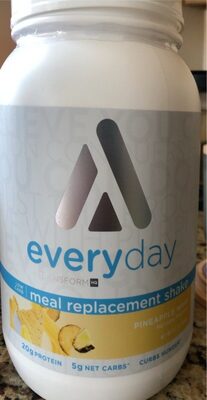
Learn more
Auto-generated content. This description was generated automatically and is pending editorial review. Inaccuracies are possible. Found a mistake? Contact us.