Vitamin K2
What is Vitamin K2?
Vitamin K2 is a fat-soluble vitamin that plays a role in bone and heart health. It is found naturally in some animal products like egg yolks and butter, and also produced by bacteria. Some forms of Vitamin K2 are synthesized for use in supplements and fortified foods.
Is Vitamin K2 gluten-free?
It does not contain gluten.
Is Vitamin K2 a major allergen?
Vitamin K2 is not derived from any of the 9 FDA major allergens.
What is Vitamin K2 used for?
Vitamin K2 is often added to foods as a nutrient to help support bone health and calcium metabolism.
Is Vitamin K2 safe?
Vitamin K2 is recognized as safe and effective by the FDA when used as a nutrient.
Why it's used
Vitamin K2 is often added to foods as a nutrient to help support bone health and calcium metabolism. It is commonly found in fortified dairy products, plant-based milks, and certain nutritional supplements. Manufacturers add it to enhance the nutritional profile of these products.
Health notes
Vitamin K2 is recognized as safe and effective by the FDA when used as a nutrient. Regulatory bodies like EFSA have evaluated Vitamin K and its forms. Research suggests Vitamin K2 is important for bone health by helping direct calcium to bones and teeth. Some studies also indicate a potential role in cardiovascular health, though more research is ongoing.
Allergen info
Vitamin K2 is not derived from any of the 9 FDA major allergens. It does not contain gluten.
Foods that contain Vitamin K2
Compare products →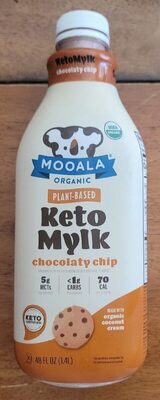
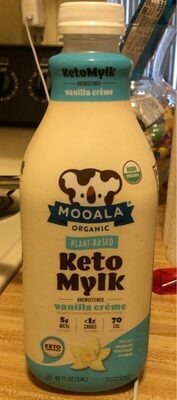
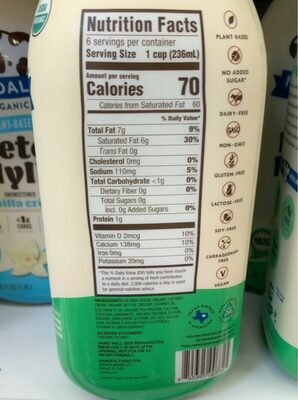
Learn more
Auto-generated content. This description was generated automatically and is pending editorial review. Inaccuracies are possible. Found a mistake? Contact us.