Vitamine Acetate
What is Vitamine Acetate?
Vitamin A acetate is a synthetic form of vitamin A, an essential nutrient. It is made by combining retinol (a form of vitamin A) with acetic acid. It is often used to fortify foods because it is more stable than other forms of vitamin A.
Is Vitamine Acetate gluten-free?
It is not derived from any of the 9 FDA major allergens and does not contain gluten.
Is Vitamine Acetate a major allergen?
Not a major allergen.
What is Vitamine Acetate used for?
Manufacturers add vitamin A acetate to foods to increase their vitamin A content, as it is a crucial nutrient for vision, immune function, and skin health.
Is Vitamine Acetate safe?
Vitamin A acetate is generally recognized as safe (GRAS) by the FDA when used as a nutrient supplement.
Why it's used
Manufacturers add vitamin A acetate to foods to increase their vitamin A content, as it is a crucial nutrient for vision, immune function, and skin health. It is commonly found in fortified products like cereals, dairy products, and infant formula.
Health notes
Vitamin A acetate is generally recognized as safe (GRAS) by the FDA when used as a nutrient supplement. The National Academies have established upper intake levels for vitamin A. JECFA and EFSA have evaluated vitamin A and its derivatives. Excessive intake of vitamin A, from all sources, can lead to adverse health effects, but typical food fortification levels are considered safe.
Allergen info
Not a major allergen. It is not derived from any of the 9 FDA major allergens and does not contain gluten.
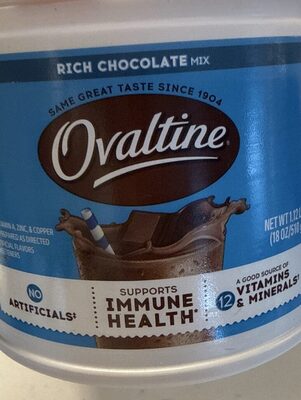
Foods that contain Vitamine Acetate
Compare products →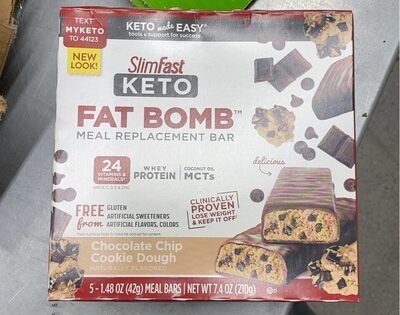
Learn more
Auto-generated content. This description was generated automatically and is pending editorial review. Inaccuracies are possible. Found a mistake? Contact us.