Wafer
What is Wafer?
A wafer is a crisp, thin, dry cookie or biscuit. It is typically made from flour, sugar, and water or milk, baked between two specially patterned hot iron plates. The resulting wafer can be plain or flavored and is often used as a base or component in other food products.
Is Wafer gluten-free?
Wafers are typically made with wheat flour, making them a source of gluten.
What is Wafer used for?
Wafers are often used as a base for ice cream cones, as a component in cookies and cakes, or as a standalone snack.
Is Wafer safe?
Wafers are generally recognized as safe (GRAS) by the FDA when used as a food ingredient.
Why it's used
Wafers are often used as a base for ice cream cones, as a component in cookies and cakes, or as a standalone snack. They can also be used as a decorative element or to add a crispy texture to desserts and confections. Manufacturers use them for their light, crisp texture and ability to absorb flavors.
Health notes
Wafers are generally recognized as safe (GRAS) by the FDA when used as a food ingredient. They are primarily a source of carbohydrates. Regulatory bodies like JECFA and EFSA have evaluated many common food ingredients, but specific evaluations for 'wafer' as a distinct ingredient are not typically listed, as it is a composite food item. Health implications are generally related to the overall nutritional content of the finished product, including sugar and calorie content.
Allergen info
Wafers are typically made with wheat flour, making them a source of gluten. Wheat is one of the FDA's major allergens. Check product labels for other potential allergens like milk or soy if present in the wafer recipe.
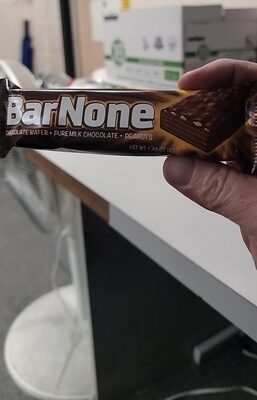
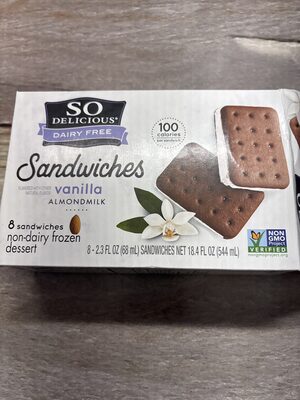
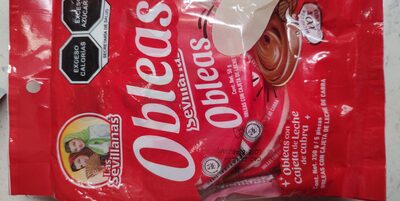
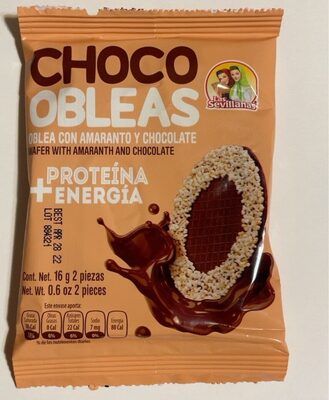
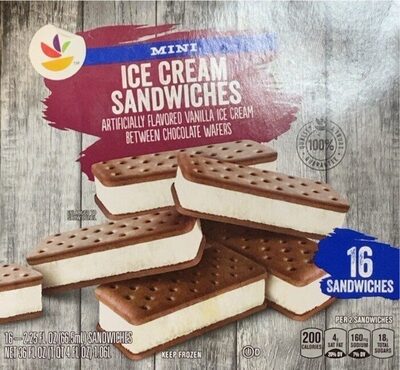
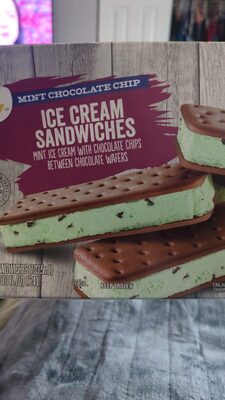
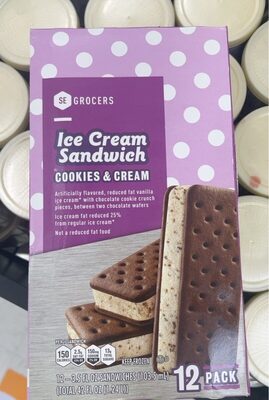
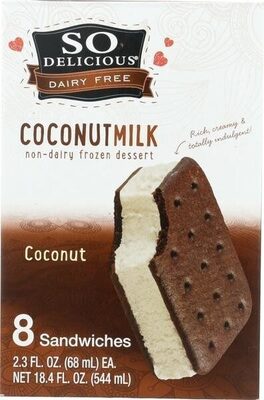
Foods that contain Wafer
Compare products →



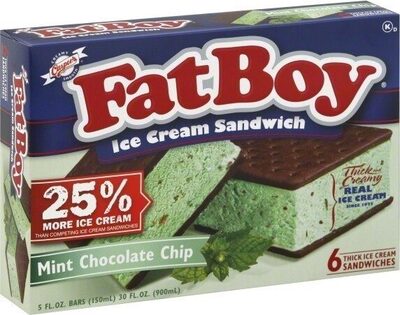
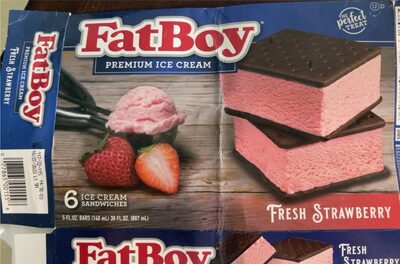



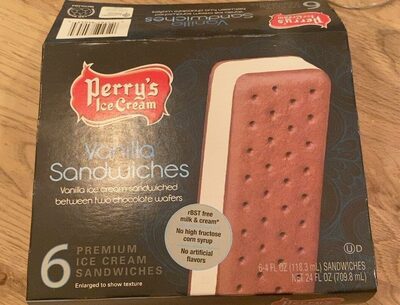

Learn more
Auto-generated content. This description was generated automatically and is pending editorial review. Inaccuracies are possible. Found a mistake? Contact us.