Wakame
What is Wakame?
Wakame is a type of edible seaweed, a marine vegetable that grows in the wild and is also cultivated. It is native to the northwest Pacific Ocean, particularly Japan, Korea, and China. After harvesting, it is typically dried for preservation and easier transport.
Is Wakame vegan?
Wakame is not animal-derived. Products that contain it can still include other animal-derived ingredients, so check the full ingredient list.
Is Wakame gluten-free?
It does not contain gluten.
Is Wakame a major allergen?
Wakame is not one of the nine major allergens recognized by the FDA.
What is Wakame used for?
Wakame is primarily used for its mild, slightly sweet flavor and slippery texture, adding a savory umami taste to dishes.
Is Wakame safe?
Wakame is generally recognized as safe (GRAS) by the FDA for use in food.
Why it's used
Wakame is primarily used for its mild, slightly sweet flavor and slippery texture, adding a savory umami taste to dishes. It is a common ingredient in Japanese cuisine, especially in miso soup, salads, and as a side dish. In packaged foods, it's often found in seaweed salads, soups, and sushi.
Health notes
Wakame is generally recognized as safe (GRAS) by the FDA for use in food. It is a natural source of vitamins, minerals, and dietary fiber. Like other sea vegetables, wakame can be a good source of iodine, which is important for thyroid function. Excessive iodine intake can also cause thyroid problems, so consumption should be moderate. JECFA has evaluated wakame and found no safety concerns at typical consumption levels.
Allergen info
Wakame is not one of the nine major allergens recognized by the FDA. It does not contain gluten.
Foods that contain Wakame
Compare products →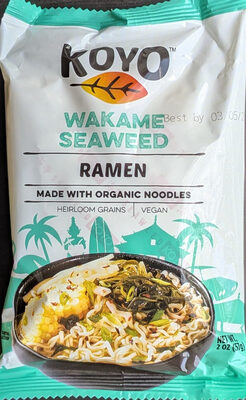
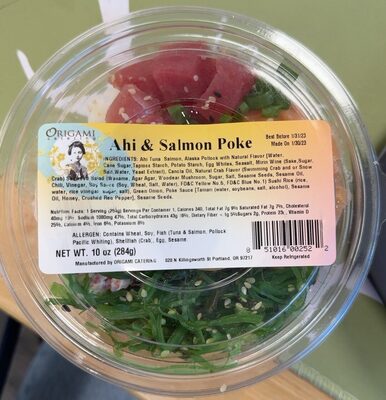
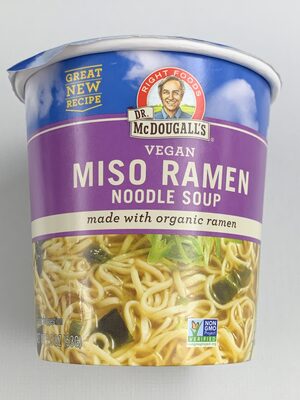

Auto-generated content. This description was generated automatically and is pending editorial review. Inaccuracies are possible. Found a mistake? Contact us.